


Thermal Monoculars

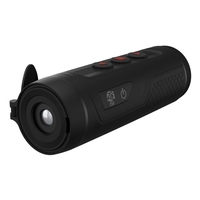
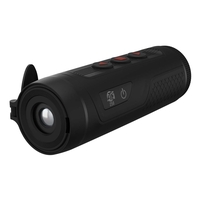
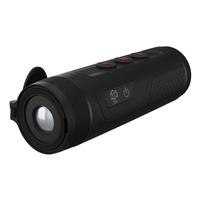
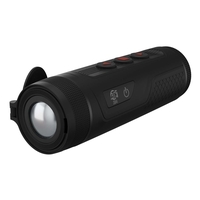
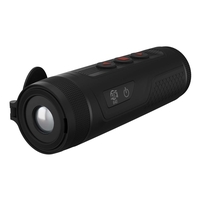


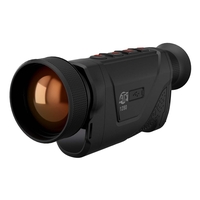

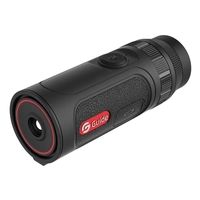
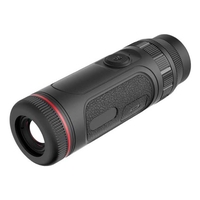
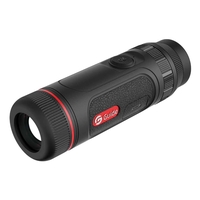
HIKMicro LYNX-S 6mm (160x120) Thermal Imager
Ideal for airgunners!

HIKMicro Lynx 3.0 LE10 Thermal (256x192) Monocular
The HIKMICRO Lynx 3.0 LE10 is the most compact and affordable model in the Lynx 3.0 range for Birdwatching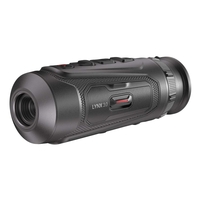
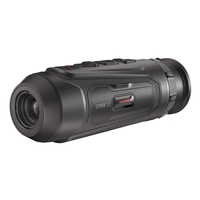
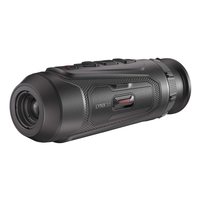
HIKMicro Lynx 3.0 LH19 Thermal (384x288) Monocular
Designed for Birdwatching users who want enhanced mid- to long-range situational awareness in a pocket-friendly device.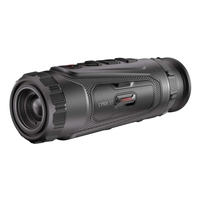

HIKMicro Lynx 3.0 LH25 Thermal (384x288) Monocular
Winner of Thermal Handheld of the Year at the British Shooting Show Awards 2026!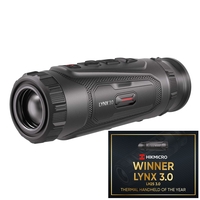
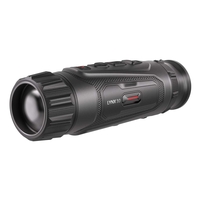

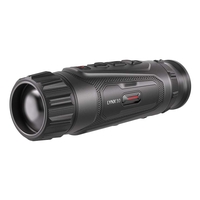
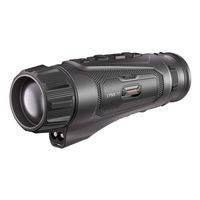
HIKMicro Falcon FQ25Pro 25mm Thermal (640x512) Monocular
HIKMICRO’s go-to thermal monocular for BIRDWATCHING. 'The best thermal monocular for wildlife observation. But in the short time I had with the Falcon thermal monocular, I learned so much, saw so much which I would (and could) never have seen without it. It is a great device, high quality, easy to use and perhaps most of all, it is a huge amount of fun, bringing a new dimension to wildlife watching.' Mike Weedon Birdwatching Magazine.Ideal for professional/ecology use!
HIKMicro Falcon 35mm Thermal (384x288) Monocular
12µm thermal sensor with Sub 20mK NETD! As used by the BBC for Winterwatch
HIKMicro Falcon Pro 50mm Thermal (640x512) Monocular
12µm thermal sensor with Sub 20mK NETD!
HIKMicro Falcon 2.0 Pro 35mm Thermal (640x512) Monocular
HIKMICRO’s go-to thermal monocular for BIRDWATCHING.


HIKMicro Condor 25mm Thermal (384x288) Monocular w/LRF
12µm thermal sensor with Sub 20mK NETD!
HIKMicro Condor 35mm Thermal (384x288) Monocular w/LRF
12µm thermal sensor with Sub 20mK NETD!
HIKMicro Condor Pro 35mm Thermal (640x512) Monocular w/LRF
12µm thermal sensor with Sub 20mK NETD! Winner of The Great British Shooting Awards 2024 - Night Vision Product of the Year (over £1500)!

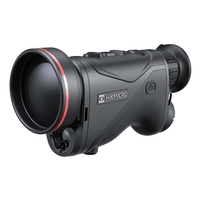
HIKMicro Gryphon Pro 35mm Thermal (640x512) & Visible Fusion Imager
The Worlds First Thermal & Optical Bi-Spectrum, FUSION Monocular! FUSION Technology uses a thermal sensor alongside a conventional optical camera to deliver a super-detailed thermal image!


Thermal Monoculars
What Are Thermal Monoculars and How Do They Work?
Thermal monoculars are specialised handheld optics designed to detect heat signatures and convert them into high-contrast images. Unlike traditional night vision, thermal imaging works in complete darkness, fog, rain, or smoke. Every living creature and object emits infrared energy, and a thermal monocular interprets these differences to reveal detail invisible to the naked eye.
These devices are widely used by wildlife watchers, gamekeepers, pest controllers, and search-and-rescue teams. Their compact design makes them easy to carry while offering excellent visibility in low-light conditions.
How to Choose the Right Thermal Monocular for Your Needs
Choosing the ideal thermal monocular depends on understanding the features that affect image quality, detection range, and overall handling. Below are the most important considerations.
Sensor Resolution
A higher-resolution sensor produces clearer images. Common resolutions include 160×120 for entry-level use, 320×240 for general fieldwork, and 640×480 for professional clarity.
Thermal Sensitivity (NETD)
Thermal sensitivity, measured in millikelvin, indicates how well the monocular detects subtle temperature differences. Lower values mean improved performance in mist, cold weather, or low-contrast environments.
Magnification and Field of View
Low magnification with a wide field of view is ideal for scanning. Higher magnification is helpful for long-range observation but narrows overall view.
Detection Range
Detection range varies from a few hundred metres to over two kilometres depending on the model. Your intended use determines how much range you need.
Display Technology
OLED displays provide excellent contrast and cold-weather reliability, while LCOS screens offer strong performance at accessible prices.
Durability and Weatherproofing
Look for robust housings and waterproof ratings such as IP66 or IP67. Long battery life and fast startup times are also valuable for field use.
Additional Features
Many thermal monoculars include Wi-Fi streaming, onboard recording, rangefinding tools, and multiple colour palettes. While useful, prioritise image quality first.
Top Thermal Monocular Brands and Models at Uttings
Uttings offers premium thermal monoculars from leading manufacturers such as Pixfra, HikMicro, Nocpix, and Thermtec. These brands deliver reliable performance across a wide range of budgets and applications, from compact hobbyist units to advanced professional imagers.
Thermal Monocular Tips and Expert Advice
Slow scanning helps you interpret heat signatures more effectively. Different colour palettes can improve clarity in varying environments, and combining thermal with traditional optics can aid identification. Keeping lenses clean and updating firmware ensures long-term performance.
Why Buy Thermal Monoculars at Uttings
Uttings is a family-run business based in Norwich, established in 1976. With decades of field sports experience, we offer expert guidance and stock premium products from leading brands. Our service is backed by over 45,000 five-star Trustpilot reviews, fast delivery, and genuine passion for the outdoors.
Thermal Monoculars FAQs
What sensor resolution do I need in a thermal monocular?
Higher resolutions such as 320×240 or 640×480 provide sharper images and better long-range identification.
How does objective lens size affect performance?
A larger lens gathers more infrared energy, improving clarity and detection range in difficult conditions.
What does thermal sensitivity (NETD) mean?
NETD indicates a device’s ability to detect small temperature differences. Lower values produce clearer images.
What magnification is best for thermal monoculars?
Lower magnification works best for scanning, while higher magnification helps with long-range detail.
How does field of view affect spotting?
A wide field of view makes scanning easier; narrower views help with distant subjects.
Are thermal monoculars weatherproof?
Most quality models include IP66 or IP67 ratings for reliable outdoor use.
Do thermal monoculars work in daylight?
Yes. They detect heat, not light, so they work equally well during the day.
Can I record video on a thermal monocular?
Many models include onboard recording or Wi-Fi streaming.
What is the difference between thermal monoculars and night vision?
Thermal devices detect heat, whereas night vision amplifies light. Thermal works in complete darkness.
How far can a thermal monocular detect heat?
Depending on the model, detection ranges can exceed 2,000 metres.
Is digital zoom useful?
Digital zoom enlarges the image but may reduce clarity. Optical zoom maintains image quality.
