


Pulsar Thermal Monoculars

Pulsar Axion Compact XQ19 Thermal (384x288) Monocular
Entry-level monocular delivering impressive thermal performance, intuitive, functional design and market-leading field of view at an affordable price!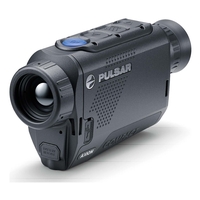

Pulsar Axion XQ30 PRO (384x288) Thermal Imager
The Pulsar Axion XQ30 PRO can be a good thermal imager for birdwatching, especially if you're looking for a compact, portable, and mid-range device. While it might not offer the same high-end performance as the larger models like the XG35 or Telos XP50, it has several features that make it suitable for birdwatching, particularly in closer or mid-range environments.
Pulsar Axion Compact XG30 (640x480) Thermal Imager
Best for Medium-Range Birdwatching: With a detection range of 1,300 meters, the XG30 is better suited for birdwatchers who typically observe birds in forests, parks, wetlands, or other environments where distances are less extreme.
Pulsar Axion Compact XG35 (640x480) Thermal Imager
Best for Long-Range Birdwatching: The longer detection range of 1,750 meters makes the XG35 better for birdwatchers observing birds in large open areas like fields, coasts, or mountains, where birds are often farther away.
Pulsar Oryx LRF XG35 Thermal (640x480) Imager
The new Pulsar Oryx LRF XG35 thermal imaging monocular is optimised for one-handed use. A new, ergonomically considered design places a focus wheel behind the eyepiece, allowing for smooth and effortless single-handed focusing. A powerful thermal sensor, built-in laser rangefinder (with a measuring range of 1500m), built-in digital image stabilisation, and an extended battery life of up to 12 hours make this device perfect for long and challenging observations.
Pulsar Telos XQ35 (384x288) Thermal Imager
HUGE PRICE REDUCTION!
Pulsar Telos LRF XQ35 (384x288) Thermal Imager
HUGE PRICE REDUCTION!
Pulsar Telos XG50 (640x480) Thermal Imager
HUGE PRICE REDUCTION!
Pulsar Telos LRF XG50 (640x480) Thermal Imager
HUGE PRICE REDUCTION!
Pulsar Telos XP50 (640x480) Thermal Imager
The Telos XP50 is perfect for long-range birdwatching where image detail is critical, especially when observing large raptors or other birds of prey from a distance. Its high sensor resolution and superior detection range make it one of the best options for birdwatchers who want to see fine details and identify species at long ranges. The wide field of view ensures that you can track moving birds effectively, even in open landscapes
Pulsar Telos LRF XP50 (640x480) Thermal Imager
First ever upgradeable device from Pulsar!


Pulsar Krypton 2 XG50 (640x480) Thermal Imaging Monocular
Free Bushnell Trail Camera (RRP £199.99)
Pulsar Wildlife Alaris XG30 (640x480) Thermal Imager
The Alaris series features two of Pulsar Wildlife's smallest thermal imaging monoculars. Compact, intuitive, and designed for comfort and accuracy during extended observation.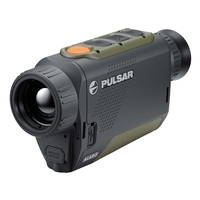
Pulsar Wildlife Alaris XQ30 (384x288) Thermal Imager
The Alaris series features two of Pulsar Wildlife's smallest thermal imaging monoculars. Compact, intuitive, and designed for comfort and accuracy during extended observation.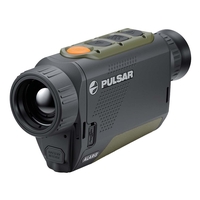
Pulsar Wildlife Orni XG35 (640x480) Thermal Imager
The Orni XG35 ushers in a new era for thermal observation. A brand-new design places a focus wheel within reach, just behind the eyepiece, allowing for one-handed operation.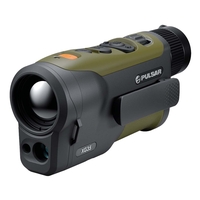
Pulsar Wildlife Lumion XL50 (1024x768) Thermal Imager
The Lumion XL50 is Pulsar Wildlife's top-of-the-range thermal imaging monocular, featuring a large format 1024x768, 12µm, <40mK NETD HD thermal sensor.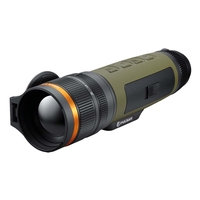
Pulsar Thermal Monoculars
About Pulsar and Its Thermal Monocular Range
Pulsar is widely regarded as one of the most influential manufacturers in the thermal imaging sector, with a strong reputation among professional users and dedicated enthusiasts alike. As part of the Yukon Advanced Optics Worldwide group, Pulsar has spent decades refining thermal imaging technologies for real-world field use, combining advanced electronics with practical, rugged design. Pulsar thermal monoculars are developed to deliver reliable heat detection, clear imagery, and intuitive operation in demanding outdoor environments.
Within the Pulsar portfolio, thermal monoculars occupy a crucial role. They offer a compact, handheld solution for detecting heat signatures without the need for weapon-mounted optics. This makes them particularly valuable for wildlife observation, pest control reconnaissance, search and rescue, and general nighttime awareness. Buyers looking to buy Pulsar thermal monoculars in the UK are often drawn to the brand’s balance of innovation, durability, and user-focused design.
Why Pulsar Thermal Monoculars Stand Out in the Field
Pulsar thermal monoculars are engineered around proprietary thermal sensor technology and image processing algorithms designed to maximise detail and contrast. Pulsar places significant emphasis on thermal sensitivity (often referred to as NETD), enabling users to distinguish subtle temperature differences that can reveal animals, people, or objects in complex environments.
Another defining feature of Pulsar thermal monoculars is display quality. Pulsar is known for using high-resolution AMOLED displays, which provide sharp images with strong contrast while remaining comfortable for prolonged viewing. These displays are paired with adjustable brightness and colour palettes, allowing users to tailor the image to weather conditions, terrain, or personal preference.
Build quality is equally central to the Pulsar reputation. Pulsar thermal monoculars are designed for outdoor use, with robust housings and weather-resistant construction suitable for rain, cold, and dusty conditions. Ergonomics are carefully considered, with controls positioned for one-handed operation and logical menu systems that can be navigated even in low-light situations.
Innovation is a recurring theme across the Pulsar range. Many Pulsar thermal monoculars incorporate onboard video and image recording, wireless connectivity, and compatibility with mobile applications developed by the brand. These technologies allow users to capture observations, share footage, and update device firmware, extending the lifespan and capability of the optic over time. This combination of advanced technology and practical usability is why many professionals regard Pulsar as a benchmark brand in thermal imaging.
How to Choose the Right Pulsar Thermal Monocular for Your Needs
Selecting the right Pulsar thermal monocular begins with understanding how and where it will be used. Different use cases place varying demands on detection range, field of view, and overall portability. Pulsar designs its thermal monoculars to cover a broad spectrum of applications, from close-range woodland observation to wide-area scanning in open terrain.
Detection range and sensor resolution are key considerations. Users working in expansive environments may prioritise longer detection distances and higher-resolution sensors, while those operating in denser landscapes may value a wider field of view for situational awareness. Pulsar’s emphasis on thermal sensitivity ensures that even smaller heat sources can be identified with confidence.
Magnification approach is another factor. Pulsar thermal monoculars typically use a combination of base optical magnification and digital zoom. Lower base magnification offers a broader field of view for scanning, while digital zoom allows closer inspection when required. Understanding this balance helps users select a device that suits their observation style.
Battery system and runtime should not be overlooked. Pulsar is known for developing flexible power solutions, including rechargeable battery systems designed for extended field use. For professionals or enthusiasts planning long sessions, runtime and ease of battery replacement can be as important as optical performance.
Finally, consider connectivity and recording features. Pulsar thermal monoculars with built-in recording and wireless functionality are well suited to users who wish to document sightings or review footage later. These features can also be valuable for training, reporting, or sharing observations with others.
Notable Pulsar Technologies and Design Philosophy
Pulsar’s thermal monocular range reflects a consistent design philosophy focused on clarity, reliability, and adaptability. Advanced image processing software enhances edge definition and reduces noise, while multiple colour palettes help users interpret thermal data more effectively. Pulsar’s ongoing firmware development means devices can evolve over time, benefiting from performance refinements and feature updates.
The brand’s commitment to real-world usability is evident in details such as intuitive menu structures, balanced weight distribution, and compatibility with common accessories like tripod mounts. These considerations make Pulsar thermal monoculars suitable for both professional deployment and recreational use.
Discover More Thermal Imaging Options
While Pulsar remains a leading name in thermal technology, many users benefit from comparing features across the wider category. You can explore the broader selection of devices by visiting Explore all thermal imaging monoculars, where Pulsar products sit alongside other respected brands and compatible accessories.
For those expanding their setup, it may also be useful to browse related categories such as thermal imaging accessories or tripods and mounting solutions, which can enhance stability and usability in the field.
Pulsar Thermal Monoculars FAQs
What thermal sensor technology is used in Pulsar thermal monoculars?
Pulsar develops and integrates advanced thermal sensors with a strong focus on thermal sensitivity, allowing users to detect subtle heat differences in challenging conditions.
How does NETD affect Pulsar thermal monocular performance?
Lower NETD values indicate higher sensitivity. Pulsar’s emphasis on low NETD helps improve image detail, particularly in humid or low-contrast environments.
Are Pulsar thermal monoculars suitable for professional use?
Yes. Pulsar thermal monoculars are widely used by professionals due to their robust construction, consistent image quality, and advanced onboard features.
What display technology do Pulsar thermal monoculars use?
Pulsar is known for using AMOLED displays, which deliver sharp contrast, fast response times, and comfortable viewing during extended sessions.
How important is field of view when choosing a Pulsar thermal monocular?
Field of view determines how much area can be scanned at once. Pulsar offers options that balance wide-area scanning with detailed observation.
Do Pulsar thermal monoculars support video recording?
Many Pulsar thermal monoculars include built-in recording capabilities, enabling users to capture images or video directly on the device.
Are Pulsar thermal monoculars weatherproof?
Pulsar designs its thermal monoculars for outdoor use, with sealed housings that help protect against rain, dust, and temperature extremes.
Can Pulsar thermal monoculars be used with a tripod?
Yes. Pulsar commonly incorporates tripod mounting options, which are useful for prolonged observation or precise scanning.
Is digital zoom effective on Pulsar thermal monoculars?
Pulsar’s digital zoom works in combination with sensor resolution and image processing to allow closer inspection without sacrificing usability.
Why Buy Pulsar Thermal Monoculars at Uttings
Uttings is a family-run business based in Norwich, established in 1976 and trusted by outdoor enthusiasts across the UK for nearly 50 years. As an authorised UK retailer of Pulsar thermal monoculars, Uttings offers expert product knowledge, dependable aftersales support, and a commitment to premium service. With over 45,000 verified five-star reviews on Trustpilot, Uttings is known for stocking only proven, high-quality brands and supporting customers who share a genuine passion for outdoor pursuits.