


Spotting Scopes



Swarovski BTX Telescope/Binocular Eyepiece
30x fixed magnification with the 65m m and 85mm objective modules. 35x fixed magnification with the 95mm &115mm objective module

Swarovski CTC 30x75 Extendable Draw Tube Telescope (30xW Eyepiece and Case Included) - MAIL ORDER RETURN
MAIL ORDER RETURN - Mint ConditionSwarovski CTC 30x75 Extendable Draw Tube Telescope (30xW Eyepiece and Case Included)
FREE Swarovski Cleaning Set - This classic extendable spotting scope comes into its own on rugged terrain and during long periods of use, when lightweight design and compact dimensions are a must. An important piece of kit for beginners due to its fixed magnification and simple extension mechanism.
Swarovski CTS 85 Extendable Draw Tube Telescope - Body only (requires eyepiece)
FREE Swarovski Cleaning Set - Comes with fitted case and carry strap (eyepiece required) Ideal for quick viewing with an extended length of 17.2 in / 43.6 cm. The double extendable tube ensures additional stability. The CTS 85 is compatible with two different SWAROVSKI OPTIK eyepieces and can therefore be customized to suit individual requirements
Swarovski STR 80 Spotting Scope (Body Only)
Thanks to a new technology, SWAROVSKI OPTIK is the first manufacturer to successfully project a reticle directly in a spotting scope. The reticle (MOA or MRAD) can be activated or deactivated as req'd

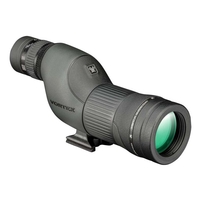


Vortex Diamondback HD 16-48x65 Angled Spotting Scope
Vortex ‘Diamondback HD’ Angled and Straight spotting ‘scopes, this time 65mm and 85mm, instead of 60mm and 80mm, they feature HD glass and have helical focusing and are supplied complete not just with an eyepiece but now with a stay-on Neoprene case. No Quibble Lifetime Guarantee

Vortex Diamondback HD 16-48x65 Straight Spotting Scope
Vortex ‘Diamondback HD’ Angled and Straight spotting scopes, 65mm and 85mm, they feature HD glass and have helical focusing and are supplied complete not just with an eyepiece but now with a stay-on Neoprene case. No Quibble Lifetime Guarantee
Vortex Diamondback HD 20-60x85 Angled Spotting Scope
Vortex ‘Diamondback HD’ Angled and Straight spotting scopes, 65mm and 85mm, they feature HD glass and have helical focusing and are supplied complete not just with an eyepiece but now with a stay-on Neoprene case. No Quibble Lifetime Guarantee
Vortex Diamondback HD 20-60x85 Straight Spotting Scope
Vortex ‘Diamondback HD’ Angled and Straight spotting ‘scopes, this time 65mm and 85mm, instead of 60mm and 80mm, they feature HD glass and have helical focusing and are supplied complete not just with an eyepiece but now with a stay-on Neoprene case. No Quibble Lifetime Guarantee
Vortex Viper HD 50mm (11-33x) Spotting Scope - Angled
FREE Vortex Triumph 10x42 Binoculars (RRP £134)
Vortex Viper HD 50mm (11-33x) Spotting Scope - Straight
FREE Vortex Triumph 10x42 Binoculars (RRP £134)
Vortex Viper HD 15-45x65 Angled Spotting Scope c/w FREE Stay on Case
Viper® HD Spotting Scope series stands poised to dominate as a best-in-class-optic. No Quibble Lifetime Guarantee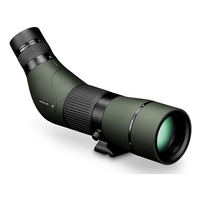
Vortex Viper HD 15-45x65 Straight Spotting Scope c/w FREE Stay on Case
Viper® HD Spotting Scope series stands poised to dominate as a best-in-class-optic. No Quibble Lifetime Guarantee
Vortex Viper HD 20-60x85 Angled Spotting Scope c/w FREE Stay on Case
Viper® HD Spotting Scope series stands poised to dominate as a best-in-class-optic. No Quibble Lifetime Guarantee
Vortex Viper HD 20-60x85 Straight Spotting Scope c/w FREE Stay on Case
Viper® HD Spotting Scope series stands poised to dominate as a best-in-class-optic. No Quibble Lifetime Guarantee
Vortex Razor HD 56mm (13-39x) Angled 'TRAVEL' Spotting Scope
The newly engineered Razor® HD 56mm 'scope is one of the finest travel scopes on the market. Premium HD glass lens elements, painstakingly hand selected and precision-ground to exacting standards matched with a sophisticated triplet apochromatic lens system deliver brilliant, razor-sharp, true to-life views. - No Quibble Lifetime Guarantee
Vortex Razor HD 56mm (13-39x) Straight 'TRAVEL' Spotting Scope
The newly engineered Razor® HD 56mm 'scope is one of the finest travel scopes on the market. Premium HD glass lens elements, painstakingly hand selected and precision-ground to exacting standards matched with a sophisticated triplet apochromatic lens system deliver brilliant, razor-sharp, true to-life views. - No Quibble Lifetime Guarantee
Vortex Razor HD 22-48x65 Angled Spotting Scope inc FREE Stay on Case
This newly engineered Razor® HD is setting a new standard in high-end optical technologies, precision craftsmanship, and ultra-sleek functionality - No Quibble Lifetime Guarantee.
Vortex Razor HD 22-48x65 Straight Spotting Scope inc Free Stay on Case
£180 PRICE DROP !!!! This newly engineered Razor® HD is setting a new standard in high-end optical technologies, precision craftsmanship, and ultra-sleek functionality - No Quibble Lifetime Guarantee.
Vortex Razor HD 27-60x85 Angled Spotting Scope inc Free Stay on Case
This newly engineered Razor® HD is setting a new standard in high-end optical technologies - No Quibble Lifetime Guarantee.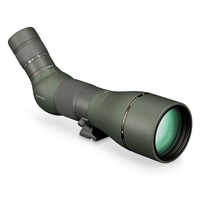
Vortex Razor HD 27-60x85 Straight Spotting Scope inc Free Stay on Case
This newly engineered Razor® HD is setting a new standard in high-end optical technologies - No Quibble Lifetime Guarantee.


Zeiss Conquest Gavia 30-60x85 Spotting Scope
SAVE £500!!!!!! - Compact design and low weight, providing high optical performance and brightness with a large 85 mm lens diameter.

Spotting Scopes
What Are Spotting Scopes and How Do They Work?
Spotting scopes are high-magnification optical instruments designed for detailed observation at long distances. Sitting somewhere between binoculars and telescopes, they are built to deliver exceptional clarity when viewing subjects that are simply too far away for handheld optics. Whether you are watching wildlife across open moorland, assessing targets at the shooting range, or scanning coastal waters for seabirds, spotting scopes provide the reach and precision needed for serious observation.
A spotting scope works by combining a large objective lens with a powerful magnification system. Light enters through the objective lens at the front, passes through a series of prisms and coated glass elements, and is then magnified before reaching the eyepiece. Most modern spotting scopes use variable zoom eyepieces, allowing users to adjust magnification smoothly depending on distance, light conditions, and the level of detail required.
Unlike binoculars, spotting scopes are typically mounted on a tripod. This stabilisation is essential at higher magnifications, where even the slightest movement can disrupt the image. Angled or straight eyepiece designs further tailor the scope to different viewing styles, making spotting scopes a versatile choice for both professionals and enthusiasts.
How to Choose the Right Spotting Scope for Your Needs
Choosing the right spotting scope starts with understanding how and where you plan to use it. Different activities place different demands on optics, and selecting the right balance of performance, portability, and durability will ensure long-term satisfaction.
Magnification range is often the first consideration. Entry-level users and general wildlife watchers often benefit from a 20–60x zoom, which offers flexibility without becoming difficult to manage. Higher magnification can reveal more detail at extreme distances, but it also reduces brightness and field of view, making image quality more dependent on lighting and atmospheric conditions.
Objective lens size directly affects light-gathering ability. Larger objective lenses, such as 80mm or 85mm models, deliver brighter images and improved performance at dawn, dusk, or in overcast weather. Smaller objectives are lighter and more portable, making them ideal for travel and long days in the field.
When comparing models, it is also important to consider glass quality and lens coatings. Premium spotting scopes use ED or HD glass to reduce colour fringing and enhance sharpness. Fully multi-coated lenses improve contrast and clarity, especially when observing subtle details like feather patterns or distant terrain features.
Build quality and weatherproofing should not be overlooked. A nitrogen-purged, waterproof body ensures reliable performance in wet, cold, or dusty environments. Rubber armouring adds grip and protects against knocks, which is particularly valuable for field sports and outdoor professionals.
Finally, think about ergonomics. Straight eyepiece spotting scopes are intuitive and quick to aim, while angled designs are often preferred for prolonged viewing sessions and shared use. Tripod compatibility, focusing controls, and eyepiece comfort all contribute to a better user experience.
Top Spotting Scope Brands and Models at Uttings
At Uttings, spotting scopes are carefully selected from the world’s most respected optics manufacturers. Brands such as Swarovski, Zeiss, Leica, Vortex, and Hawke are renowned for their optical excellence, rugged construction, and long-term reliability.
Professional users often gravitate towards premium models offering outstanding edge-to-edge sharpness and superior low-light performance. These spotting scopes are ideal for wildlife surveyors, birding experts, and competitive shooters who rely on absolute accuracy. For hobbyists and newcomers, mid-range spotting scopes deliver impressive clarity and durability at a more accessible price point, making them a popular choice for recreational birdwatching and outdoor exploration.
Many users also complement their spotting scope with other optics from related categories such as binoculars for wider scanning or tripods for improved stability in challenging conditions. This layered approach allows for greater flexibility in the field.
Spotting Scope Tips and Expert Advice
Getting the most from a spotting scope involves more than simply choosing the right model. Proper setup and technique can significantly improve viewing quality. Always use a stable tripod and avoid extending the centre column fully, as this can introduce vibration. Start at lower magnification to locate your subject, then gradually zoom in for detail.
Atmospheric conditions also play a role. Heat haze, mist, and strong sunlight can distort images at high magnification. In these situations, reducing zoom often results in a clearer, more usable view. Regular cleaning of lenses using appropriate optical tools will maintain performance and protect delicate coatings.
Why Buy Spotting Scopes at Uttings
Uttings is a family-run business based in Norwich, established in 1976, with decades of experience in outdoor and field sports retail. We stock premium spotting scopes from the world’s leading brands, ensuring quality and reliability at every level.
With over 45,000 five-star reviews on Trustpilot, our reputation is built on expert customer service, fast delivery, and genuine passion for the great outdoors. Whether you are a seasoned professional or just starting out, our knowledgeable team is always on hand to offer practical advice and help you compare models with confidence.
Spotting Scopes FAQs
What magnification is best for spotting scopes?
A 20–60x magnification range suits most users, offering flexibility for both scanning and detailed observation without excessive image instability.
What does objective lens size mean?
The objective lens size determines how much light the scope gathers. Larger lenses provide brighter images, especially in low-light conditions.
How does field of view affect long-range viewing?
A wider field of view makes it easier to locate and track subjects, particularly at lower magnifications.
Are angled or straight spotting scopes better?
Angled scopes are comfortable for extended viewing and shared use, while straight scopes are quicker to aim and intuitive for beginners.
What is eye relief and why is it important?
Eye relief is the distance your eye can be from the eyepiece while still seeing the full image, which is crucial for users who wear glasses.
Do spotting scopes need to be waterproof?
Waterproofing ensures reliable performance in wet or humid environments and protects internal optics from damage.
Is a tripod always required?
Yes, a tripod is essential for stable viewing, particularly at higher magnifications where hand movement becomes noticeable.
What is the difference between zoom and fixed power scopes?
Zoom scopes offer adjustable magnification for versatility, while fixed power scopes prioritise simplicity and optical consistency.