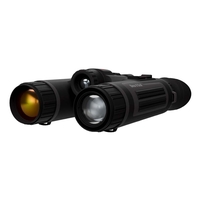
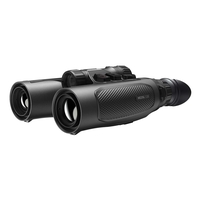
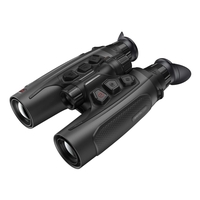
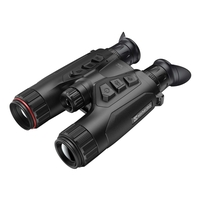
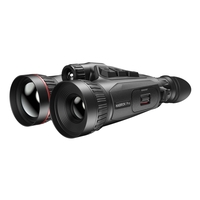
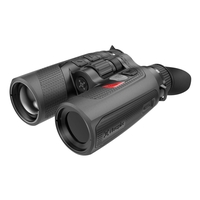
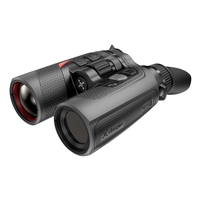
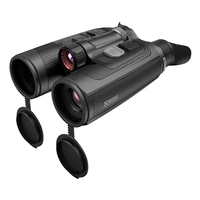
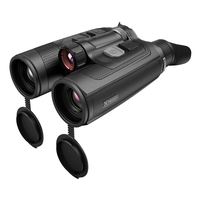
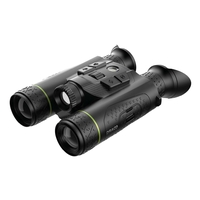
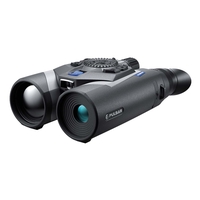
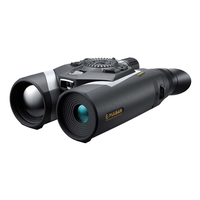
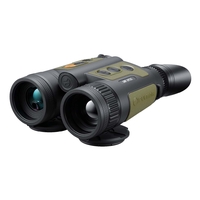
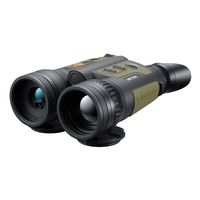
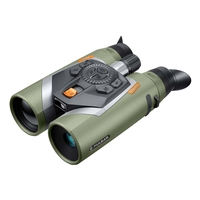
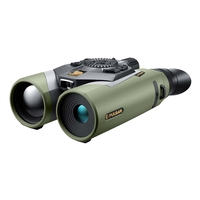
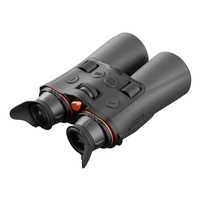
Thermal Binoculars
What Are Thermal Binoculars and How Do They Work?
Thermal binoculars are advanced optical devices that allow you to detect heat rather than visible light. Instead of relying on ambient illumination, they use thermal imaging technology to identify temperature differences between objects. Warm targets such as animals, people, or vehicles stand out clearly against cooler backgrounds, making thermal binoculars exceptionally effective in low-light, night-time, fog, or dense vegetation conditions.
Unlike traditional optics or even digital night vision, thermal binoculars do not require infrared illumination or moonlight. They operate by detecting long-wave infrared radiation emitted by all objects above absolute zero. This information is processed into a visible image, typically displayed in grayscale or colour palettes that enhance contrast and target recognition.
Thermal binoculars are widely used across hunting, wildlife observation, pest control, search and rescue, security patrols, and professional fieldwork. Their binocular design offers improved depth perception and viewing comfort over monoculars, especially during extended observation sessions.
How to Choose the Right Thermal Binoculars for Your Needs
Selecting the right thermal binoculars depends on how and where you plan to use them. Entry-level users may prioritise ease of use and affordability, while professionals often focus on detection range, image detail, and rugged construction.
Sensor Resolution and Image Quality
The thermal sensor resolution has a direct impact on image clarity. Higher resolutions produce more detailed images and improve target identification at longer distances. Common sensor sizes range from 384×288 for general use up to 640×480 or higher for professional-grade observation.
Detection Range and Field Performance
Detection range indicates how far away a heat source can be seen. While manufacturers often quote impressive maximum distances, practical identification depends on sensor resolution, lens size, and environmental conditions. For open countryside or professional surveillance, a longer detection range is essential. Woodland users may benefit more from wider field-of-view performance.
Magnification and Digital Zoom
Thermal binoculars typically combine a fixed optical base magnification with digital zoom. Lower base magnification provides a wider field of view and easier scanning, while higher magnification aids detailed observation at distance. Digital zoom increases apparent size but may reduce image sharpness at higher levels.
Lens Size and Thermal Sensitivity
The objective lens size influences how much infrared energy reaches the sensor. Larger lenses generally support longer detection ranges and improved image contrast. Thermal sensitivity, often measured as NETD, determines how well subtle temperature differences are displayed, which is particularly valuable in warm or humid conditions.
Build Quality, Weather Resistance, and Battery Life
Outdoor thermal binoculars should be robust and weatherproof. Look for sealed housings, reliable IP ratings, and materials designed to withstand rain, dust, and temperature fluctuations. Battery life is equally important, especially for extended field sessions or professional deployments.
Top Thermal Binoculars Brands and Models at Uttings
At Uttings, you will find thermal binoculars from the world’s most respected manufacturers, including HIKMicro, Pixfra, Nocpix and more. These brands are trusted by professionals and enthusiasts alike for their reliability, optical performance, and ongoing innovation.
Popular options range from compact thermal binoculars designed for mobile scanning to high-end models featuring advanced image processing, onboard recording, wireless connectivity, and multiple viewing modes. Many customers also explore complementary equipment such as thermal imaging monoculars or night vision devices depending on their specific requirements.
|
User Type |
Recommended Focus |
| Beginners & Hobbyists |
Ease of use, moderate resolution, wide field of view |
| Experienced Hunters |
Higher resolution sensors, longer detection range |
| Professional Users |
Maximum image detail, rugged build, extended battery life |
Thermal Binoculars Tips and Expert Advice
Thermal binoculars are powerful tools, but getting the most from them requires an understanding of real-world use. Beginners often start by scanning wide areas at low magnification before zooming in to assess detected heat sources. This approach reduces eye fatigue and improves situational awareness.
Professionals frequently rely on thermal binoculars for rapid detection, then switch to other optics for identification when required. Pairing thermal binoculars with traditional binoculars or laser rangefinders can significantly enhance accuracy and confidence in the field.
Environmental conditions also matter. Thermal performance can vary depending on ambient temperature, humidity, and background heat. Learning how your device behaves in different conditions will improve interpretation and decision-making over time.
Why Buy Thermal Binoculars at Uttings
Uttings is a family-run business based in Norwich, established in 1976, with decades of experience supplying high-quality outdoor and field sports equipment. Our thermal binoculars are sourced from trusted global brands and carefully selected to meet the needs of both enthusiasts and professionals.
With over 45,000 five-star reviews on Trustpilot, Uttings is known for expert customer service, fast delivery, and genuine product knowledge. Our team uses and understands the equipment we sell, ensuring you receive practical, honest advice tailored to your needs. When you choose Uttings, you are buying from specialists who share your passion for the outdoors.
Thermal Binoculars FAQs
What magnification is best for thermal binoculars?
Lower base magnification is ideal for scanning large areas, while higher magnification helps with long-range observation. Many users prefer a balance with digital zoom for flexibility.
What does thermal sensor resolution mean?
Sensor resolution determines image detail. Higher resolution improves target identification, especially at distance or in complex environments.
How far can thermal binoculars see?
Detection range varies by model and conditions. Entry-level units may detect heat at several hundred metres, while professional models extend well beyond a kilometre.
Are thermal binoculars better than night vision?
Thermal binoculars excel at detecting heat regardless of light, while night vision relies on ambient illumination. Each has strengths depending on the application.
Do thermal binoculars work in daylight?
Yes. Thermal imaging is unaffected by visible light and works equally well during the day or at night.
What is NETD and why does it matter?
NETD measures thermal sensitivity. Lower values indicate better performance when distinguishing subtle temperature differences.
Are thermal binoculars weatherproof?
Most quality models are designed for outdoor use with sealed housings to resist rain, dust, and temperature changes.
Can thermal binoculars record images or video?
Many modern models include onboard recording and wireless connectivity, allowing users to capture and share observations.
Back to top of page.