Lights & Torches
What Are Lights & Torches and How Do They Work?
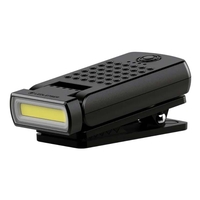
Lights and torches cover everything from compact pocket torches to powerful handheld beams and work lights for bivvies, boats and campsites. Where headlamps keep your hands free, a handheld torch can offer longer throw, higher peak brightness and more precise control - useful for scanning the water, checking margins or lighting a larger area during setup.
Most modern torches use efficient LED technology and regulated output to balance brightness with runtime. Depending on the model, you'll find features like adjustable focus, multiple modes, rechargeable power and robust weather resistance. For anglers, the most useful torches are the ones that feel dependable in real conditions: wet hands, muddy ground and quick tasks carried out in low light.
Lighting that supports safety and efficiency
Good lighting helps you move safely, keep your kit organised and handle fish responsibly after dark. It also reduces the stress of night sessions, because you're not constantly searching for tools or second-guessing what you're doing.
How to Choose the Right Lights & Torches for Your Needs
Handheld lights and torches are a bank essential for many anglers. They can provide longer throw than headlamps, stronger peak output and better control when you want to direct light exactly where it's needed.
Choose your beam for the job
A long-throw torch is useful for scanning water and paths, while a broader beam is better for close work around the swim. Many anglers prefer a balanced pattern that covers both without needing to carry multiple lights.
Simple controls beat complicated menus
When you're cold or in a rush, you want predictable operation. A few well-spaced brightness levels are typically more useful than lots of niche modes.
|
Key Spec |
What to Look For |
Why It Matters |
| Throw and spill |
Balanced beam with usable reach |
Lets you see ahead while still lighting the ground |
| Runtime control |
Stable output with sensible modes |
More predictable light throughout a session |
| Power and charging |
Rechargeable options and easy access |
Simplifies backups and reduces downtime |
| Handling |
Grip texture and glove-friendly buttons |
Reliable use with wet or cold hands |
| Durability |
Robust housing and weather resistance |
Withstands knocks, rain and bankside use |
Many anglers pair lighting with sensible wet-weather kit - for example, reliable Headlamps for backup, plus Tools & Gadgets and an Umbrella when you're fishing through the darker months.
Use case example: A beginner might keep a compact torch for path lighting and a low mode for quick jobs. A professional or guide may prefer a tougher model with longer runtime for repeated use through the season.
Top Lights & Torches Brands and Models at Uttings
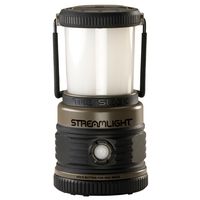
When choosing reliable lighting for fishing, camping, or general outdoor use, Fenix and Streamlight are two standout brands trusted by enthusiasts and professionals alike. Fenix is known for combining robust construction with powerful output and efficient battery use, delivering torches and lights that perform reliably in wet conditions and long sessions away from base. Streamlight brings rugged American-made durability and intuitive design to its range, with lights that offer dependable performance, ergonomic handling, and excellent beam quality—great for hands-on tasks around the water or campsite. Both brands prioritise quality, longevity, and real-world performance, making them excellent choices when dependable illumination matters most.
When comparing models, focus on the features you will use most often and the build quality that stands up to wet, muddy and cold sessions. A well-chosen, dependable option usually delivers more value than chasing maximum specs.
Lights & Torches Tips and Expert Advice
Use high power in short bursts, then drop to a mid setting. It preserves battery and reduces harsh glare. A controlled beam is often more useful than maximum brightness.
Store your torch in a consistent place so you can find it without searching. Many anglers keep a small torch accessible in a jacket pocket and a stronger torch in the bag for longer-range checks.
After wet sessions, wipe the torch dry and check seals or threads. Simple care helps switches and housings stay reliable long term.
Why Buy Lights & Torches at Uttings
Uttings is a family-run business based in Norwich, established in 1976, with decades of experience in outdoor and field sports retail. We stock premium products from the world's leading brands and support them with friendly, practical advice.
Backed by over 45,000 five-star reviews on Trustpilot, Uttings is known for expert customer service, fast delivery, and a genuine passion for the great outdoors. If you need help choosing the right option, our team can guide you to a setup that fits your venue, method and budget.
Lights & Torches FAQs
What torch is best for night fishing?
Choose a durable torch with sensible modes, a usable mid setting and enough throw for safe movement.
Is beam distance more important than lumens?
Often yes. A balanced beam pattern is more useful than raw brightness for bankside tasks.
Should I choose rechargeable or battery-powered?
Rechargeable is convenient; battery options are easy for backups and quick swaps.
What does water resistance mean for torches?
It refers to protection against rain and splashes. Better sealing usually means more reliable outdoor use.
Are multiple modes useful?
A few well-spaced modes are useful. Too many can be frustrating when you need quick, predictable light.
How do I avoid glare on the water?
Use lower settings and avoid shining directly across the surface; angle the beam down for close work.
What is a work light used for?
It illuminates a wider area, making it useful inside shelters or around a campsite.
How do I maintain a torch?
Wipe it dry after wet sessions, keep threads clean and check seals where relevant.
Is a backup light necessary?
It's a sensible habit. A small spare can save a session if your main light fails.
Back to top of page.