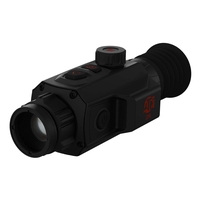
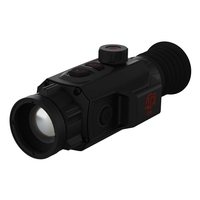
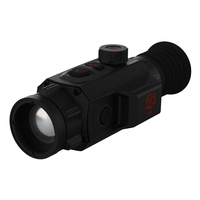
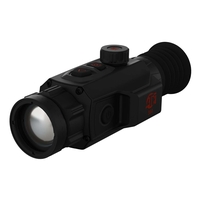
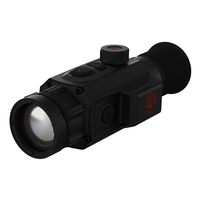
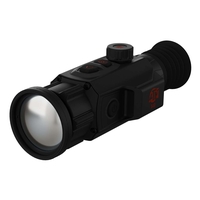
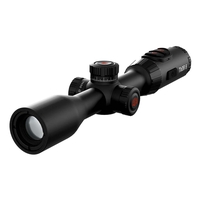
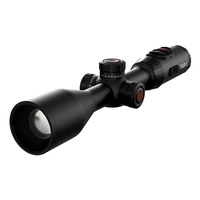
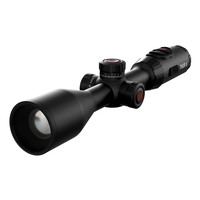
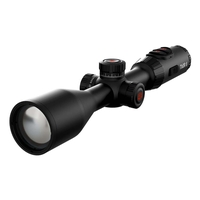
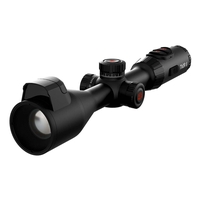
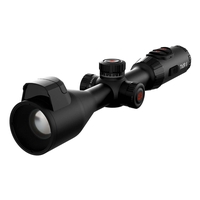
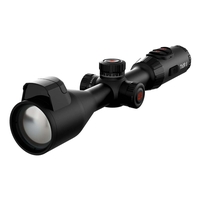
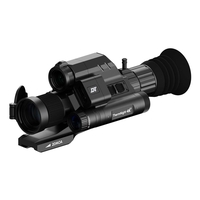
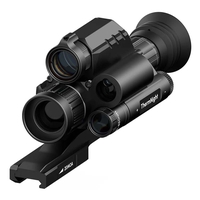
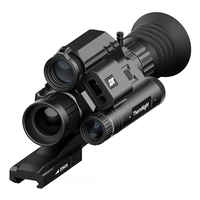
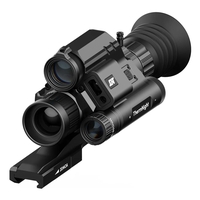
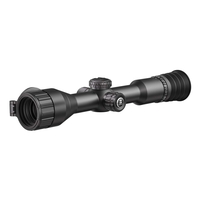
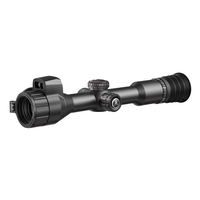
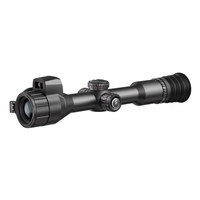
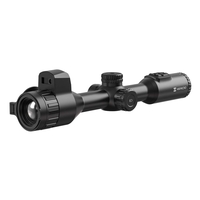
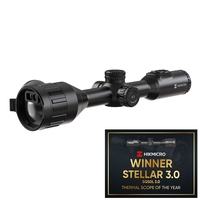
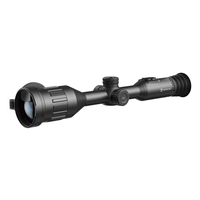
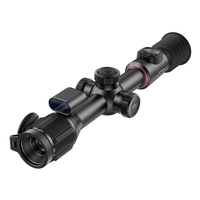
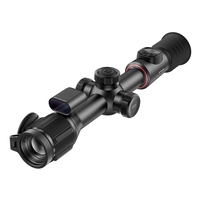
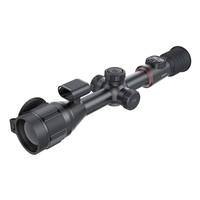
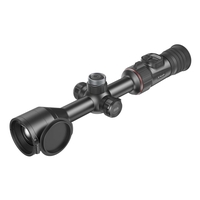
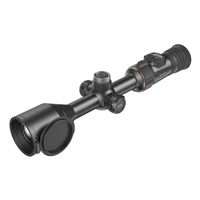
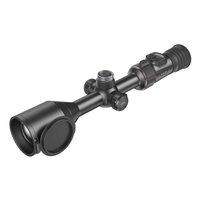
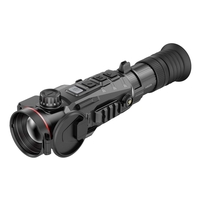
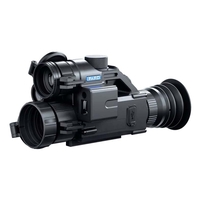
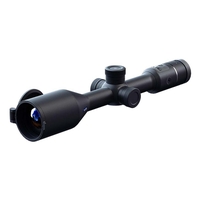
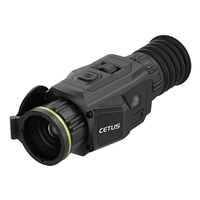
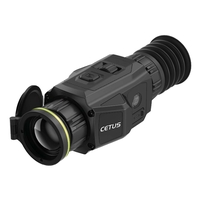
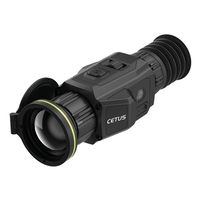
Thermal Rifle Scopes
Thermal rifle scopes have transformed the way shooters, pest controllers, and wildlife managers operate in low-light and no-light conditions. By detecting heat rather than relying on visible light, these advanced optics allow you to identify targets clearly in darkness, fog, smoke, or dense cover. Whether you are managing vermin, undertaking professional pest control, or simply extending your shooting capability into the night, thermal rifle scopes offer a decisive advantage.
At Uttings, we stock a carefully selected range of thermal rifle scopes to suit everyone from first-time buyers to seasoned professionals. This guide explains how they work, what to look for when choosing a model, and why investing in the right thermal optic can significantly improve your results in the field.
What Are Thermal Rifle Scopes and How Do They Work?
Thermal rifle scopes are electronic optics that detect infrared radiation emitted by warm objects. Unlike traditional rifle scopes or night vision devices, they do not rely on ambient light or infrared illumination. Instead, a thermal sensor converts heat differences into a digital image that highlights animals, people, and other heat sources against cooler backgrounds.
This capability makes thermal rifle scopes particularly effective for night shooting, pest control, and wildlife observation. Targets remain visible even in complete darkness, heavy rain, mist, or woodland environments where conventional optics struggle. Many shooters pair thermal rifle scopes with daytime optics or browse complementary equipment such as night vision scopes or traditional rifle scopes to build a versatile shooting setup.
How to Choose the Right Thermal Rifle Scope for Your Needs
Selecting the right thermal rifle scope depends on how and where you intend to use it. Understanding key specifications will help ensure you choose a model that delivers the performance you need without unnecessary expense.
Sensor resolution is one of the most important factors. Higher-resolution sensors provide clearer images, better target identification, and more detail at longer distances. Professional users often favour higher resolutions, while hobbyists may find mid-range sensors perfectly adequate for short- to medium-range work.
Magnification and zoom should be matched to your shooting distances. Lower base magnification offers a wider field of view, making it easier to scan and track moving targets. Digital zoom increases image size but can reduce clarity, so balancing base magnification with sensor quality is essential.
Detection range indicates how far away a heat source can be seen. While manufacturers often quote impressive distances, practical identification range is more relevant. Think about the typical distances you shoot rather than maximum figures.
Refresh rate affects how smoothly the image updates when tracking moving targets. A higher refresh rate delivers a more natural viewing experience, especially useful when scanning large areas or following fast-moving quarry.
Durability and recoil rating are also critical. A thermal rifle scope must withstand recoil, harsh weather, and repeated use in the field. Look for robust housings, reliable mounting systems, and weatherproof construction.
Top Thermal Rifle Scope Brands and Models at Uttings
Uttings stocks thermal rifle scopes from some of the most respected manufacturers in the optics industry, including HIKMicro, ATN, Nocpix and more. These brands are known for reliability, image quality, and ongoing innovation.
Popular models typically offer a balance of high-resolution sensors, intuitive controls, multiple colour palettes, and onboard recording features. Many also include Wi-Fi connectivity for transferring images or video, making them suitable for professional reporting or training purposes.
Thermal Rifle Scope Tips and Expert Advice
Thermal rifle scopes perform best when used with a considered approach. Spend time learning how different colour palettes affect visibility in various environments. White hot and black hot modes are widely used, but alternative palettes can improve contrast depending on terrain and weather.
Zeroing a thermal rifle scope should be done carefully and in stable conditions. Many modern units offer digital zeroing profiles, allowing you to store multiple rifle setups in one device.
Battery management is another practical consideration. Cold weather can reduce battery life, so carrying spare power or using external battery packs can help avoid interruptions during longer sessions.
Finally, remember that thermal rifle scopes excel at detection but require responsible target identification. Always ensure safe and legal use in accordance with local regulations.
Why Buy Thermal Rifle Scopes at Uttings
Uttings is a family-run business based in Norwich, established in 1976, with decades of experience supplying outdoor and field sports enthusiasts. We stock premium thermal rifle scopes from the world’s leading brands and back every purchase with knowledgeable, friendly customer service.
With over 45,000 five-star reviews on Trustpilot, fast delivery, and a genuine passion for the great outdoors, Uttings is a trusted destination for shooters who value expert advice and reliable equipment.
Thermal Rifle Scopes FAQs
What magnification is best for thermal rifle scopes?
Lower base magnification is generally better for scanning and close- to mid-range shooting, while higher magnification suits longer-distance identification.
How does sensor resolution affect image quality?
Higher resolution sensors provide clearer images and better detail, especially when using digital zoom or identifying targets at range.
What detection range do thermal rifle scopes offer?
Detection range varies by model and conditions, but practical identification distance is usually shorter than maximum detection figures.
Are thermal rifle scopes suitable for daytime use?
Yes, thermal rifle scopes can be used in daylight, particularly for spotting animals in heavy cover or challenging environments.
What is refresh rate and why does it matter?
Refresh rate controls how smoothly the image updates. Higher refresh rates make tracking moving targets easier and more comfortable.
Do thermal rifle scopes work in fog or rain?
Thermal optics perform better than traditional scopes in fog and light rain, though extreme weather can still reduce image clarity.
Can thermal rifle scopes record video?
Many modern models include video and image recording, useful for reviewing shots or documenting professional work.
Are thermal rifle scopes recoil-rated?
Quality thermal rifle scopes are designed to handle recoil, but always check manufacturer specifications for calibre suitability.
How important is battery life?
Battery life affects how long you can operate without recharging. Consider models with replaceable or external battery options.
Do thermal rifle scopes require calibration?
Most units perform automatic or manual calibration to maintain image quality during use.
Back to top of page.