


Flies







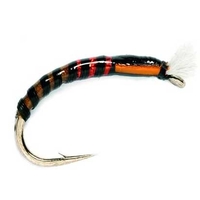


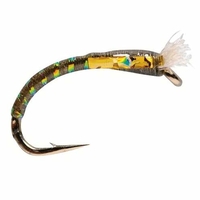


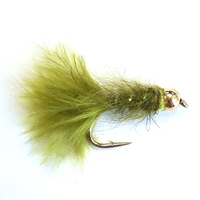


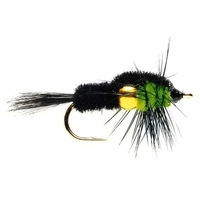






Flies
What Are Fishing Flies and How Do They Work?
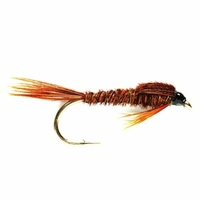
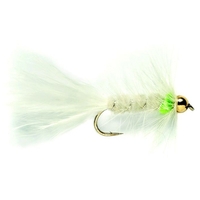
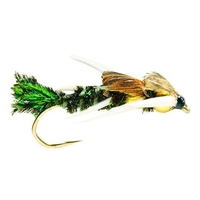
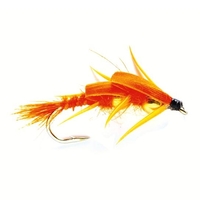
Fishing flies are artificial lures designed to imitate the insects, baitfish, crustaceans, or other natural food sources that fish feed on. Most commonly associated with fly fishing, these lightweight lures are engineered to be cast using the weight of the fly line rather than the lure itself. From delicate dry flies that sit on the water’s surface to weighted nymphs and streamers that work subsurface, flies allow anglers to match the hatch and present a realistic offering in a wide range of conditions.
Unlike conventional lures, fishing flies rely heavily on shape, proportion, colour, and movement to trigger strikes. Materials such as feathers, fur, synthetics, and fine wires are carefully selected to replicate lifelike behaviour in the water. Whether you are targeting wild brown trout on a chalk stream, grayling in fast rivers, or stillwater species, the right fly can make all the difference.
At Uttings, our collection of flies caters for beginners learning the basics of fly fishing as well as experienced anglers seeking proven patterns tied to the highest standards.
How to Choose the Right Fishing Flies for Your Needs
Selecting the correct fishing fly is part science, part observation, and part experience. The key is understanding what fish are feeding on and how they are feeding at that moment.
Fly Type and Water Conditions
Different fly styles are designed for specific scenarios. Dry flies are ideal when fish are rising to take insects from the surface, while nymphs imitate larvae and pupae below the surface. Streamers mimic small fish or leeches and are often effective for aggressive or predatory feeding behaviour.
Size, Profile, and Weight
Fly size is critical. In clear, pressured waters, smaller and more subtle patterns often outperform larger flies. In faster or deeper water, weighted flies help achieve the correct depth quickly. The overall profile should closely resemble the natural food source present in the water.
Colour and Seasonal Relevance
Colour choice can vary depending on light levels, water clarity, and season. Natural tones work well in clear water, while brighter or darker patterns can improve visibility in coloured or low-light conditions. Seasonal insect life also plays a role, making it worthwhile to carry a varied selection.
Hook Quality and Durability
Well-tied flies with sharp, high-quality hooks are essential. Durable materials and secure tying ensure the fly maintains its shape after multiple fish, saving money in the long run and improving hook-up rates.
Top Fishing Fly Brands and Models at Uttings
Uttings proudly stocks fishing flies from respected names known for consistency, innovation, and attention to detail.
Fulling Mill is widely regarded as one of the finest fly producers in the world. Their patterns are designed by expert anglers and tied using premium materials, offering reliability across rivers, lakes, and reservoirs.
Davie McPhail flies reflect decades of fly tying expertise, delivering beautifully balanced and highly effective patterns. These flies are popular with discerning anglers who appreciate precision and realism.
Both brands offer a wide selection of dry flies, nymphs, and more suitable for a variety of species and fishing styles.
Fishing Fly Tips and Expert Advice
For those new to fly fishing, starting with a small, versatile fly box is a sensible approach. A mix of dry flies, nymphs, and attractor patterns allows you to adapt as conditions change. Pairing your flies with suitable fly fishing rods, balanced fly reels, and appropriate leaders and tippet will significantly improve presentation.
Experienced anglers often fine-tune their approach by carrying multiple sizes of the same pattern, adjusting weight and colour to suit the situation. Keeping flies organised and dry between sessions helps extend their lifespan.
If you are interested in creating your own patterns, exploring our fly tying materials category can open up a new level of customisation and satisfaction.
Fishing Flies FAQs
What types of fishing flies should beginners start with?
A balanced selection of dry flies, bead-head nymphs, and a few small streamers provides flexibility and covers most common fishing situations.
How do I know which fly size to use?
Match the size of natural insects in the water. When in doubt, starting smaller is often more effective, especially in clear conditions.
What is the difference between dry flies and nymphs?
Dry flies float on the surface to imitate adult insects, while nymphs sink below the surface to mimic immature aquatic insects.
Do fishing flies work in stillwater as well as rivers?
Yes. Many patterns are highly effective in lakes and reservoirs, particularly nymphs and streamers fished at varying depths.
How important is hook quality in fishing flies?
High-quality hooks improve hook-up rates and reduce the chance of bending or breaking when playing fish.
Can I reuse fishing flies after catching fish?
Well-tied flies can be reused multiple times, but it’s important to dry them thoroughly and replace any damaged patterns.
Should fly colour change with water clarity?
In clear water, subtle natural colours are usually best. In coloured or low-light conditions, darker or brighter flies can improve visibility.
Why Buy Fishing Flies at Uttings
Uttings is a family-run business based in Norwich, established in 1976, with decades of experience in outdoor and field sports retail. We stock premium fishing flies from the world’s leading brands, carefully selected for performance and reliability.
With expert customer service, fast delivery, and a genuine passion for the great outdoors, our team is always on hand to help you choose the right gear. Backed by over 45,000 five-star Trustpilot reviews, Uttings is a trusted destination for anglers who value quality and advice they can rely on.