Nymphs
What Are Nymphs and How Do They Work?
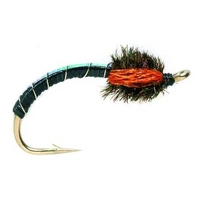
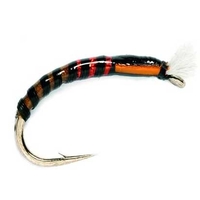
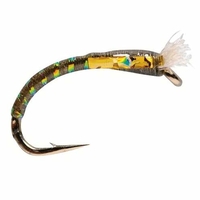
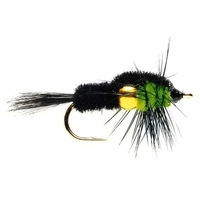
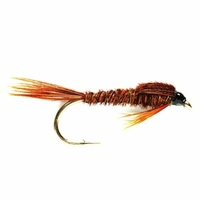
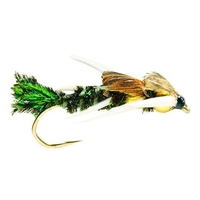
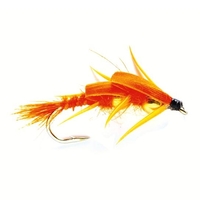
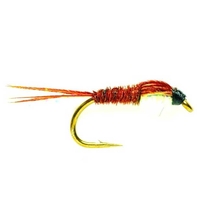
Nymphs are one of the most effective and widely used types of fly fishing flies, designed to imitate the immature aquatic insects that live beneath the water’s surface. Unlike dry flies, which float, nymph flies are fished subsurface to replicate mayfly nymphs, caddis larvae, stonefly nymphs, and other aquatic life that make up a significant portion of a fish’s natural diet.
Trout, grayling, and many other freshwater species feed on nymphs throughout the year, often far more consistently than they do on surface insects. This makes nymph fishing a reliable and productive method for both beginners learning the fundamentals and experienced anglers refining their approach. Whether you are fishing rivers, streams, stillwaters, or reservoirs, nymphs allow you to target fish holding at various depths and in different current speeds.
Nymphs are commonly fished using techniques such as indicator nymphing, Czech or Euro nymphing, and dropper rigs paired with dry flies. Their versatility and effectiveness explain why nymph patterns form the backbone of many anglers’ fly boxes.
How to Choose the Right Nymphs for Your Needs
Selecting the right nymph flies involves understanding the water you are fishing, the species you are targeting, and the conditions on the day. While nymph fishing can appear technical, a few key considerations make the process far more approachable.
Size and profile are often more important than exact colour. Fish are accustomed to seeing a range of natural insects, so choosing a nymph that broadly matches the size and shape of local aquatic life is a reliable starting point. Smaller, slimmer nymphs tend to work well in clear water or pressured fisheries, while larger, bulkier patterns can be more visible in faster or coloured water.
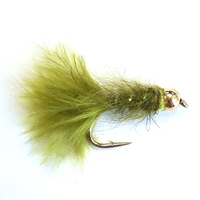
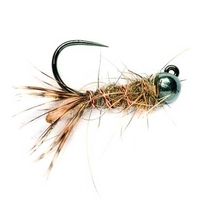
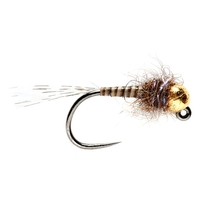
Weight and sink rate are critical factors. Beadhead nymphs, tungsten nymphs, and weighted bodies help your fly reach the feeding zone quickly. In shallow or slow-moving water, lightly weighted or unweighted nymphs can provide a more natural drift. Many anglers carry a selection of weights to adapt easily to changing depths and flows.
Colour and materials should complement the conditions. Natural tones such as olive, brown, black, and grey are consistent performers, while brighter hotspot nymphs can be effective in low visibility or high water. Materials like pheasant tail, hare’s ear, and modern synthetics each offer different levels of movement and durability.
Finally, consider how your nymphs will be fished. If you are pairing them with fly fishing leaders and tippet for delicate presentations, slimmer patterns often excel. For contact-style nymphing, durable flies with secure beads and slim profiles are ideal.
Top Nymph Brands and Models at Uttings
At Uttings, our nymph selection is carefully curated to suit UK and international waters, offering patterns trusted by both competition anglers and recreational fly fishers.
Fulling Mill is widely regarded as one of the leading fly manufacturers in the world. Their nymph patterns are meticulously tied using high-quality hooks and materials, delivering consistent performance and excellent durability. From classic pheasant tail variations to modern Euro-style nymphs, Fulling Mill flies are a staple in many anglers’ boxes.
Davie McPhail nymphs are inspired by the techniques and experience of one of fly tying’s most respected names. These patterns focus on lifelike profiles, subtle movement, and proven effectiveness, making them ideal for anglers who value traditional craftsmanship combined with modern fish-catching design.
These brands sit perfectly alongside other essential fly fishing equipment available in our fly fishing category, allowing you to build a complete and balanced setup.
Nymph Tips and Expert Advice
Successful nymph fishing is about presentation as much as pattern choice. A natural drift, where the nymph moves at the same speed as the current, is often the key to triggering takes. Adjusting weight, leader length, and fly size can make a significant difference.
Beginners often benefit from starting with a simple two-fly rig, combining a heavier point nymph with a lighter dropper above it. This approach covers multiple depths and increases your chances of finding feeding fish. More experienced anglers may refine their tactics using single-fly Euro nymphing for maximum sensitivity and control.
Regularly checking your flies for damage and replacing worn patterns ensures consistent performance. Well-tied nymphs not only last longer but also maintain the correct profile in the water.
Why Buy Nymphs at Uttings
Uttings is a family-run business based in Norwich, established in 1976, with decades of experience in outdoor and field sports retail. Our range of nymphs reflects genuine hands-on knowledge, not just catalogue listings.
We stock premium products from the world’s leading fly fishing brands, supported by expert advice from anglers who understand the demands of real-world fishing. With fast delivery, outstanding customer service, and over 45,000 five-star reviews on Trustpilot, Uttings is trusted by anglers across the UK and beyond.
When you buy nymphs from Uttings, you are choosing quality, reliability, and a retailer with a genuine passion for the great outdoors.
Nymphs FAQs
What are nymph flies used for?
Nymph flies are used to imitate underwater insect life and are fished below the surface to target feeding fish.
What size nymph should I choose?
Match the size of local insects where possible, starting with mid-sized patterns and adjusting based on fish response.
Are beadhead nymphs better than unweighted nymphs?
Beadhead nymphs sink faster and suit deeper or faster water, while unweighted nymphs excel in shallow or slow conditions.
What colours work best for nymph fishing?
Natural colours like olive, brown, and black are reliable, with brighter patterns useful in coloured or high water.
Can beginners fish with nymphs?
Yes, nymphs are ideal for beginners due to their effectiveness and adaptability across many fishing situations.
What is Euro nymphing?
Euro nymphing is a contact-style technique that uses weighted nymphs and long leaders for precise depth control.
Do nymphs work all year round?
Nymphs are effective throughout the year, as fish feed on aquatic insects in all seasons.
Should I use one or two nymphs?
Fishing two nymphs allows you to cover different depths and increases your chances of finding active fish.
Back to top of page.