


Fly Boxes & Patches


Guideline Double Side Silicone Fly Box
Available in 4 sizes


Loon Hot Box Fly Box
Six adjustable compartments keep the day's “hot flies” close at hand. Attachment chain included.


Snowbee Easy Vue Waterproof Fly Box - Small
Transparent ABS lids allow the contents to be seen at a glance for quick, easy fly selection.


Snowbee Easy-Vue Competition Fly Box - Medium
Aimed squarely at the completion fly fisher or serious fly tier, who wants large capacity, in one box, easily accessible.


Snowbee Centre-Leaf Waterproof Fly Box - Large
These fly boxes really do maximize available storage space. The removable centre swing-leaf hinges to give easy access to both side, 4-sided fly storage in one box. Large model stores up to 576 flies.


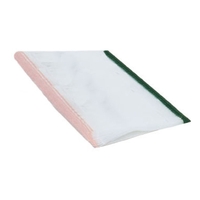
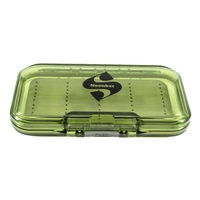
Wynd Tackle Bynder Fly Box
Winner of best fly box at The International Fly Tackle Dealer trade show.

Fly Boxes & Patches
What Are Fly Boxes & Patches and How Do They Work?
Fly boxes and fly patches are essential pieces of equipment for any fly angler, whether you are just starting out or have decades of experience on the water. Their primary purpose is simple: to store, organise, protect, and dry your artificial flies so they are always ready for use. However, the right choice can make a significant difference to efficiency, fly longevity, and overall enjoyment when fly fishing.
Fly boxes are compact storage cases designed to hold individual flies securely in place. Most modern fly boxes use precision-cut foam, silicone inserts, or slotted compartments that grip hooks firmly without damaging delicate materials. This prevents flies from tangling, crushing hackles, or becoming blunt during transport. Fly boxes are commonly carried in a fishing vest, chest pack, sling pack, or rucksack and are designed to be lightweight yet durable.
Fly patches, sometimes called fly drying patches or fly holders, serve a different but equally important role. They are typically made from high-density foam or synthetic materials and attach to your vest, pack, or lanyard. Fly patches allow anglers to temporarily store flies that are wet, used, or about to be changed. This helps flies dry naturally between uses, preserving their shape and buoyancy while keeping them instantly accessible.
Together, fly boxes and patches form the backbone of effective fly organisation. Whether you are switching quickly between dry flies and nymphs on a river or rotating saltwater flies while boat fishing, having a clear, logical system reduces downtime and helps you stay focused on presentation and water reading.
How to Choose the Right Fly Boxes & Patches for Your Needs
Choosing the right fly boxes and patches depends on the type of fishing you do, how many flies you carry, and the environments you fish in. While there is no single “best” option for everyone, understanding the key features will help you make an informed choice.
Capacity and layout should be your starting point. Some anglers prefer slim, minimalist boxes that carry a small selection of proven patterns, while others need high-capacity boxes for extensive fly collections. Consider whether you want single-sided or double-sided designs, as well as micro-slit foam for small trout flies or deeper slots for bulky streamers and saltwater patterns.
Insert type plays a major role in usability. Traditional slotted foam is lightweight and affordable, offering excellent hook retention. Silicone or rubber inserts provide long-term durability and are less prone to tearing, making them popular with anglers who fish frequently. Compartment-style boxes are useful for large flies or specialist patterns but can be less space-efficient.
Durability and water resistance are critical, especially for river and stillwater fishing in unpredictable weather. Look for fly boxes with secure latches, tight seals, and robust hinges. Waterproof and floatable models offer added peace of mind if your box is dropped into the water, while corrosion-resistant materials help protect hooks in damp conditions.
Fly patches should be chosen based on attachment style and drying efficiency. Magnetic patches allow rapid fly changes but are best used with care to avoid accidental losses. Foam patches with hook-slots offer more security and are ideal for drying multiple flies at once. Size and placement also matter, ensuring your patch does not snag line or interfere with casting.
Matching Your Storage to Your Fishing Style
For anglers who enjoy a range of disciplines, from river trout to stillwater and saltwater fly fishing, having multiple fly boxes dedicated to specific techniques can be highly effective. Pairing compact boxes with a fly patch allows you to rotate flies efficiently throughout the day without clutter.
Top Fly Boxes & Patches Brands and Models at Uttings
At Uttings, the Fly Boxes & Patches category brings together trusted brands known for innovation, reliability, and thoughtful design. These products are carefully selected to suit UK anglers fishing rivers, lakes, reservoirs, and coastal waters.
Leading manufacturers offer fly boxes ranging from ultra-slim pocket designs to rugged, high-capacity storage solutions. Many models feature modern silicone inserts, low-profile latches, and transparent lids for quick pattern identification. Fly patches are available in both magnetic and foam designs, offering anglers flexibility depending on preference and fishing conditions.
These products sit naturally alongside other essential equipment found in related areas such as fly fishing tackle, fishing accessories, and fly fishing luggage, allowing you to build a complete, integrated setup.
Fly Boxes & Patches Tips and Expert Advice
Using fly boxes and patches effectively goes beyond simply owning them. Thoughtful organisation and maintenance can significantly extend the life of your flies and improve your efficiency on the water.
Organise by pattern and size to reduce decision-making time. Group dry flies, nymphs, streamers, and wet flies into separate boxes, or use clearly defined sections within a single box. This is particularly helpful when conditions change quickly and fly selection becomes critical.
Dry flies properly by placing used patterns on a fly patch rather than returning them straight to a sealed box. This prevents moisture buildup, which can lead to rusted hooks and damaged materials. Once flies are fully dry, they can be safely returned to storage.
Regularly inspect inserts for wear, especially slotted foam. Replacing a worn box is often more cost-effective than losing valuable flies due to poor hook retention. Silicone inserts typically last longer and maintain grip over time.
For beginners, a single versatile fly box and a small patch provide an excellent starting point. Experienced anglers often benefit from a modular approach, carrying multiple boxes and patches tailored to specific waters or species.
Why Buy Fly Boxes & Patches at Uttings
Uttings is a family-run business based in Norwich, established in 1976, with decades of experience supporting anglers, shooters, and outdoor enthusiasts. Our Fly Boxes & Patches range is carefully curated from premium brands trusted by professionals and passionate hobbyists alike.
With expert customer service, fast delivery, and over 45,000 five-star reviews on Trustpilot, Uttings is known for reliability and genuine enthusiasm for the outdoors. Whether you are refining your fly fishing setup or purchasing your first box, our knowledgeable team is here to help you choose with confidence.
Fly Boxes & Patches FAQs
What size fly box do I need?
The right size depends on how many flies you carry and the type of fishing you do. Slim boxes suit minimalist river anglers, while larger boxes are better for stillwater or saltwater fly collections.
Are waterproof fly boxes worth it?
Waterproof fly boxes help protect hooks from rust and keep flies dry in wet conditions, making them a good choice for frequent river and boat anglers.
What is the difference between foam and silicone inserts?
Foam inserts are lightweight and affordable, while silicone inserts are more durable and retain hook grip over a longer period of use.
How do fly patches help flies last longer?
Fly patches allow wet flies to dry properly between uses, preventing moisture damage and helping maintain shape and buoyancy.
Are magnetic fly patches safe to use?
Magnetic patches offer fast access but should be used carefully to avoid losing flies, especially in fast-flowing water or strong winds.
Can I store different fly types in one box?
Yes, but separating fly types into sections or dedicated boxes makes selection quicker and reduces the risk of damaging delicate patterns.
How should I maintain my fly boxes?
Periodically empty boxes, allow them to dry, and check inserts for wear to ensure your flies remain secure and corrosion-free.