


Saltwater Flies


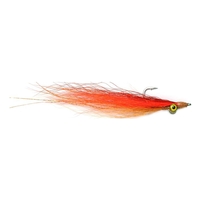
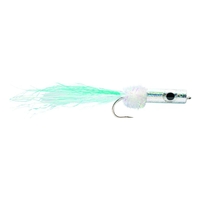
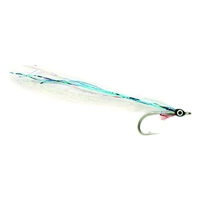
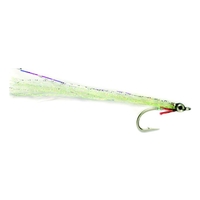
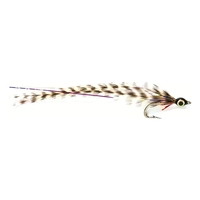
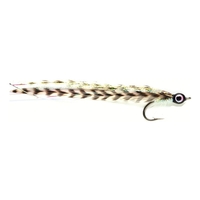
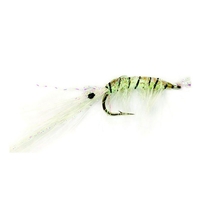

Saltwater Flies
What Are Saltwater Flies and How Do They Work?
Saltwater flies are specially designed artificial lures used in fly fishing for marine and estuarine species. Unlike freshwater trout flies, saltwater patterns are built to cope with harsh coastal environments, powerful fish, and corrosive saltwater. They are tied to imitate the natural prey that saltwater species feed on, such as baitfish, shrimp, crabs, sand eels, and other small marine creatures.
These flies are typically fished using heavier fly rods and lines, often in challenging conditions such as strong tides, wind, and surf. When presented correctly, a saltwater fly triggers a predatory response by mimicking the movement, profile, and flash of real prey. From stalking bass in shallow estuaries to casting from beaches, boats, or rocky marks, saltwater flies are a versatile and highly effective option for anglers targeting a wide range of species.
At Uttings, the saltwater flies collection caters to both newcomers and experienced anglers, offering patterns suitable for UK saltwater fly fishing as well as more adventurous overseas trips.
How to Choose the Right Saltwater Flies for Your Needs
Selecting the right saltwater fly involves understanding where you are fishing, the species you are targeting, and the conditions on the day. While fly choice can feel overwhelming at first, a few core considerations will quickly narrow down the options.
Target species and prey type should always guide your selection. Sea bass flies often imitate small baitfish, sandeels, or prawns, while mullet flies tend to be subtler and less flashy. If you are fishing tropical waters, you may need crab and shrimp patterns designed for bonefish, permit, or triggerfish.
Fly size and weight play a major role in presentation. Larger, weighted flies are useful in deeper water or fast-moving tides, while smaller, lightly weighted patterns excel in shallow, clear conditions. Bead-chain eyes, lead eyes, or dumbbell eyes all influence sink rate and swimming action.
Durability and materials are especially important in saltwater fly fishing. Quality saltwater flies use corrosion-resistant hooks, tough synthetic fibres, and secure tying techniques to withstand aggressive takes and repeated exposure to salt. Choosing well-made flies reduces the risk of failure when a good fish finally commits.
Colour and visibility should be matched to water clarity and light levels. Natural colours work well in clear water, while brighter or high-contrast patterns can be easier for fish to locate in coloured water or low light.
Many anglers build a balanced fly box that includes baitfish imitations, shrimp and prawn patterns, and a few surface or wake-style flies for visual takes in calm conditions.
Top Saltwater Fly Brands and Models at Uttings
Uttings stocks a carefully selected range of saltwater flies from respected manufacturers known for consistency, durability, and fish-catching performance. A standout brand in this category is Fulling Mill, widely regarded as one of the leading fly-tying specialists in the industry.
Fulling Mill saltwater flies are developed in collaboration with experienced anglers and guides, ensuring each pattern is tuned for realistic movement, strong hook holds, and long-term durability. Their range includes proven baitfish, sandeel, shrimp, and estuary patterns that perform exceptionally well in UK coastal conditions.
Alongside Fulling Mill, Uttings offers complementary saltwater fly patterns suited to both beginners building their first fly box and seasoned anglers refining their approach for specific venues.
For a complete setup, saltwater flies can be paired with equipment from related categories such as fly rods, fly reels, and fly lines, all available at Uttings.
Saltwater Fly Fishing Tips and Expert Advice
Success with saltwater flies often comes down to observation and adaptability. Watching how baitfish move, how tides influence feeding behaviour, and how fish respond to different retrieves will quickly improve results.
Beginners are often advised to focus on a simple selection of proven patterns and concentrate on presentation rather than constantly changing flies. A slow, controlled retrieve with occasional pauses is often more effective than aggressive stripping, especially in colder water.
For more experienced anglers, adjusting fly choice to match specific conditions can unlock difficult sessions. Downsizing flies in clear water, switching to weighted patterns in deeper channels, or choosing more durable flies when fishing rough ground are all refinements that make a difference.
Rinsing flies in fresh water after use and allowing them to dry thoroughly will also extend their lifespan and maintain hook sharpness.
Why Buy Saltwater Flies at Uttings
Uttings is a family-run business based in Norwich, established in 1976, with decades of experience supporting anglers and outdoor enthusiasts. Our saltwater flies are selected by specialists who understand the demands of coastal fly fishing and the importance of dependable gear.
We stock premium products from the world’s leading brands, including Fulling Mill, backed by knowledgeable customer service, fast delivery, and over 45,000 five-star reviews on Trustpilot. When you buy saltwater flies from Uttings, you are choosing a retailer with genuine passion for the great outdoors and a commitment to helping you fish with confidence.
Saltwater Flies FAQs
What are saltwater flies used for?
Saltwater flies are used in fly fishing to imitate marine prey such as baitfish, shrimp, and crabs when targeting species like sea bass, mullet, and other coastal fish.
Are saltwater flies different from freshwater flies?
Yes, saltwater flies are typically larger, more durable, and tied on corrosion-resistant hooks to withstand aggressive fish and harsh saltwater conditions.
What size saltwater fly should I use?
Fly size depends on water depth, prey size, and fish behaviour. Smaller flies work well in shallow, clear water, while larger patterns suit deeper or faster-moving tides.
Do saltwater flies need to be weighted?
Not always. Weighted flies help reach deeper water quickly, while unweighted or lightly weighted flies are ideal for surface or shallow presentations.
What colours are best for saltwater flies?
Natural colours suit clear conditions, while brighter or high-contrast colours can improve visibility in murky water or low light.
Can beginners use saltwater flies?
Absolutely. Simple, proven patterns from brands like Fulling Mill are easy to fish and allow beginners to focus on casting and presentation.
How do I look after saltwater flies?
Rinse flies in fresh water after fishing and let them dry fully to prevent corrosion and extend their usable life.