


Tactical Flies




Tactical Flies
What Are Tactical Flies and How Do They Work?
Tactical Flies are modern, highly effective artificial fishing flies designed to give anglers greater control, improved presentation, and increased catch rates across a wide range of fly fishing scenarios. Developed with competition angling and pressured waters in mind, tactical flies focus on realism, balance, and sink control, making them a popular choice for both experienced fly anglers and those just starting their journey.
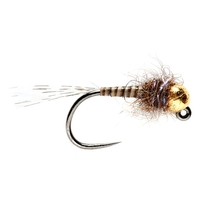
Unlike traditional fly patterns, tactical flies are often tied with specific bead sizes, slim profiles, and carefully selected materials that allow them to cut through the water quickly and behave naturally in the feeding zone. They are most commonly associated with modern nymphing techniques, including Euro nymphing and Czech nymphing, where precision, sensitivity, and depth control are essential.
Tactical flies are typically fished sub-surface to imitate aquatic insects such as nymphs, larvae, and pupae. Their effectiveness comes from how naturally they drift along the riverbed or through stillwater layers, matching the behaviour of real food sources. When paired with appropriate fly lines, leaders, and rods, they allow anglers to detect subtle takes and respond instantly.
How to Choose the Right Tactical Flies for Your Needs
Selecting the right tactical flies depends on a combination of water type, target species, and fishing style. While many patterns look similar at first glance, small differences in weight, colour, and profile can significantly affect performance on the water.
Weight and bead size are among the most important considerations. Heavier tactical flies with tungsten beads sink quickly and are ideal for fast-flowing rivers or deep pools. Lighter patterns are better suited to shallow streams or situations where a slower, more natural drift is required.
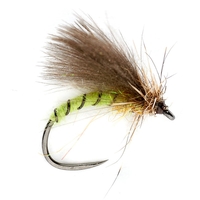
Profile and materials also play a key role. Slim-bodied flies with minimal bulk create less resistance in the water, helping them reach feeding depth faster. Materials such as CDC, synthetic fibres, and fine dubbing add subtle movement without compromising control.
Colour selection should be guided by water clarity and light conditions. Natural tones like olive, brown, and black work well in clear water and pressured fisheries, while brighter hotspot colours can trigger reactions in coloured water or low-light conditions.
To help guide your choice, the table below outlines common tactical fly considerations and their practical applications:
| Feature | Best Use | Angler Level |
|---|---|---|
| Heavy tungsten bead | Fast rivers and deep runs | Intermediate to professional |
| Slim nymph profile | Natural drift and sensitivity | All levels |
| Hotspot thorax | Trigger takes in poor visibility | Beginner to advanced |
Top Tactical Flies Brands and Models at Uttings
Uttings stocks a carefully selected range of tactical flies from trusted manufacturers known for consistency and performance. One standout name is Fulling Mill, widely respected for producing competition-proven fly patterns tied to exacting standards. Their tactical nymphs are designed in collaboration with top anglers and are a reliable choice for both rivers and stillwaters.
These flies integrate seamlessly with other essential fly fishing equipment available at Uttings, including fly rods, fly reels, and complete fly fishing tackle setups. Whether you are building a competition-ready fly box or simply improving your success on local waters, quality flies make a noticeable difference.
Tactical Flies Tips and Expert Advice
Fishing with tactical flies is as much about technique as it is about the fly itself. Maintaining a tight connection between rod tip and fly helps detect even the most delicate takes. Many anglers fish tactical flies in pairs or teams, combining a heavier anchor fly with a lighter dropper to cover different depths in one drift.
Beginners often benefit from starting with a small selection of proven patterns in varying weights rather than carrying dozens of similar flies. This approach encourages learning how depth, drift speed, and presentation influence success.
For experienced anglers, tactical flies excel in pressured conditions where fish have seen countless traditional patterns. Subtle changes in bead colour or fly size can be enough to convert refusals into confident takes.
Why Buy Tactical Flies at Uttings
Uttings is a family-run business based in Norwich, established in 1976, with decades of hands-on experience in fishing, field sports, and outdoor pursuits. The team carefully selects premium tactical flies from leading brands, ensuring every pattern meets high standards of quality and effectiveness.
With over 45,000 five-star Trustpilot reviews, Uttings is known for expert customer service, fast delivery, and a genuine passion for the outdoors. Whether you are refining your technique or preparing for your first fly fishing trip, you can rely on knowledgeable advice and dependable products every step of the way.
Tactical Flies FAQs
What are tactical flies used for?
Tactical flies are primarily used for modern nymphing techniques where precise depth control and natural drift are essential for catching trout and other freshwater species.
Are tactical flies suitable for beginners?
Yes, tactical flies are suitable for beginners, especially when paired with simple nymphing rigs and guidance on presentation and depth control.
What bead size should I choose for tactical flies?
Smaller beads are ideal for shallow or slow water, while larger tungsten beads help flies reach depth quickly in fast or deep water.
Do tactical flies work in stillwater fishing?
They can be very effective in stillwaters when fished slowly at depth, particularly for imitating natural nymphs and larvae.
How many tactical flies should I carry?
A focused selection of key patterns in different weights and colours is usually more effective than carrying a large number of similar flies.
What colours are best for tactical flies?
Natural colours work well in clear water, while brighter hotspot colours are useful in coloured water or low-light conditions.
Can tactical flies be fished in teams?
Yes, many anglers fish two or more tactical flies together to cover multiple depths and increase their chances of success.