


Predator Flies

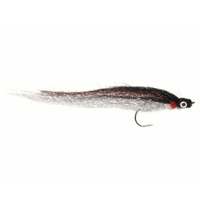
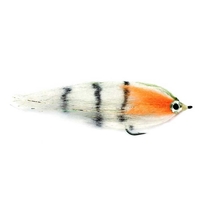


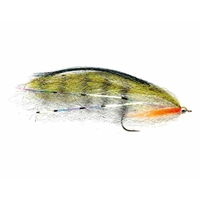

Predator Flies
What Are Predator Flies and How Do They Work?
Predator flies are specialist fly fishing lures designed to imitate the natural prey of aggressive, carnivorous fish species. Commonly used when targeting pike, perch, zander, and other predatory fish, these flies are larger, more robust, and more visually stimulating than traditional trout or river flies. They are engineered to trigger instinctive strike responses through a combination of movement, profile, colour, and vibration.
Unlike conventional flies that rely on subtle presentation, predator flies are built to be seen and felt. Many incorporate synthetic fibres, flash materials, rubber legs, and articulated bodies that create lifelike motion even at slow retrieve speeds. When fished correctly, predator flies mimic injured baitfish, frogs, or small aquatic creatures, making them highly effective in both stillwater and moving water environments.
Predator flies are typically fished using heavier fly rods, strong leaders, and often wire traces to cope with sharp teeth. They are an essential part of modern predator fly fishing and are widely used across disciplines such as pike fishing, reservoir fly fishing, and saltwater fly fishing for species that hunt by sight and vibration.
How to Choose the Right Predator Flies for Your Needs
Selecting the right predator fly depends on a combination of target species, water conditions, and fishing style. While there is no single “best” fly, understanding a few key characteristics will help narrow your choices and improve your success on the water.
Size and profile are often the first considerations. Larger flies with bulky silhouettes are ideal for pike and zander, especially in coloured water where visibility is reduced. Smaller, slimmer patterns are better suited to perch or pressured venues where fish may be more cautious.
Colour selection plays a major role. Natural colours such as olive, white, and silver work well in clear water, closely imitating baitfish. Brighter colours like chartreuse, orange, or black are highly effective in low light, stained water, or when you want maximum visibility. Many experienced anglers carry the same pattern in multiple colourways to adapt quickly to changing conditions.
Weighting and sink rate determine how the fly fishes through the water column. Unweighted or lightly weighted predator flies are ideal for shallow margins, weed beds, and surface presentations. Heavily weighted patterns, often with dumbbell or lead eyes, allow you to fish deeper channels and drop-offs where larger predators often lie in wait.
Durability is particularly important with predator flies. Repeated strikes, sharp teeth, and powerful fights can quickly destroy poorly tied patterns. Look for flies tied with strong threads, secure materials, and corrosion-resistant hooks, especially if you plan to fish saltwater or brackish environments.
Top Predator Fly Styles Available at Uttings
Uttings stocks a wide range of predator flies covering proven designs and modern innovations. While patterns vary, most fall into a few key style categories that suit different applications.
| Fly Style | Best Use | Target Species |
|---|---|---|
| Baitfish Imitations | Versatile, natural presentation | Pike, perch, zander |
| Articulated Streamers | Maximum movement and vibration | Large pike, aggressive predators |
| Surface and Wake Flies | Shallow water and visual takes | Pike, bass-style species |
These predator fly styles pair perfectly with equipment found in our wider fly fishing and predator fishing ranges, allowing anglers to build a balanced and effective setup.
Predator Fly Tips and Expert Advice
Fishing predator flies successfully is about more than just casting and retrieving. Presentation, speed, and adaptability all play a role.
A varied retrieve is often the key to success. Short, sharp strips can provoke reaction strikes from aggressive fish, while slower, steady retrieves are effective when predators are following but not committing. Adding pauses allows the fly to flutter and sink naturally, often triggering takes as the fly “hangs” in the water.
Water temperature also influences fly choice and retrieve speed. In colder conditions, predators are less active, so slower-moving, slightly smaller flies tend to outperform large, fast patterns. During warmer months, larger flies fished higher in the water can be extremely effective.
For anglers new to predator fly fishing, starting with a small selection of proven patterns in different colours and weights is often more productive than carrying dozens of similar flies. Professionals, on the other hand, often fine-tune their fly choice to match specific venues, prey species, and seasonal behaviour.
Why Buy Predator Flies at Uttings
Uttings is a family-run business based in Norwich, established in 1976, with decades of experience supporting anglers, shooters, and outdoor enthusiasts. We stock premium predator flies and fishing tackle from trusted, world-leading brands, carefully selected for performance and reliability.
With over 45,000 five-star reviews on Trustpilot, Uttings is known for expert customer service, fast delivery, and honest advice. Whether you are a seasoned predator angler or just starting out, our team is passionate about helping you choose the right equipment and get the most from your time on the water.
Predator Flies FAQs
What species can be caught using predator flies?
Predator flies are commonly used for pike, perch, and zander, but they are also effective for other aggressive, fish-eating species in both freshwater and saltwater.
What size predator fly should I use?
Larger flies suit pike and deep water, while smaller patterns are ideal for perch or pressured venues. Matching fly size to prey size is usually effective.
Do predator flies need wire traces?
When targeting toothy species like pike, a wire or heavy fluorocarbon trace is strongly recommended to prevent bite-offs.
Are weighted predator flies better than unweighted ones?
Weighted flies help reach deeper water quickly, while unweighted flies excel in shallow areas and over weed beds. Both have their place.
What colours work best for predator flies?
Natural colours perform well in clear water, while brighter or darker colours are more visible in stained water or low light.
Can beginners use predator flies?
Yes, predator flies are suitable for beginners, especially when paired with the correct rod, line, and simple retrieve techniques.
How long do predator flies last?
High-quality predator flies are designed to withstand repeated strikes, but durability depends on materials, hook quality, and fishing conditions.