


Dry Flies




Dry Flies
What Are Dry Flies and How Do They Work?
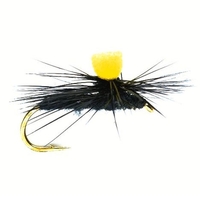
Dry flies are one of the most iconic and effective fly fishing patterns, designed to float on the surface of the water and imitate adult insects such as mayflies, caddisflies, midges, and terrestrials. When fish are feeding on the surface, dry fly fishing offers some of the most visual and rewarding sport in angling, making it a firm favourite with both beginners and experienced fly anglers.
Unlike nymphs or wet flies that are fished below the surface, dry flies rely on buoyant materials and careful presentation to sit naturally in the surface film. The goal is to mimic the exact size, shape, and behaviour of real insects as they drift downstream, enticing trout and grayling to rise and take confidently.
Dry flies are commonly used on rivers, streams, stillwaters, and chalkstreams, especially during insect hatches. Success depends on matching the hatch, achieving a drag-free drift, and selecting patterns that float well while maintaining a lifelike profile.
How to Choose the Right Dry Flies for Your Needs
Selecting the right dry fly involves balancing observation, water conditions, and angling experience. While there is no single fly that works everywhere, understanding a few key factors will significantly improve your success.
Fly size is often the first consideration. Trout can be selective, especially on pressured waters, so matching the natural insects present is critical. Smaller flies in sizes 18–22 are common for midges and olives, while larger sizes are useful for mayflies, sedges, and terrestrial patterns.
Pattern type should reflect both the hatch and the water you are fishing. Classic dry flies such as Adams, Blue Winged Olives, and Elk Hair Caddis are excellent general patterns. Parachute-style flies offer excellent visibility, while CDC dry flies excel in calm conditions where a delicate presentation is required.
Buoyancy and materials also matter. High-floating patterns with deer hair or foam perform well in rough or fast water, while softer materials like CDC provide a more natural footprint in slow, clear streams. Applying floatant correctly will help extend the life and effectiveness of your fly.
Anglers often carry a mix of patterns and sizes, stored neatly in a fly box, allowing them to adapt quickly to changing conditions throughout the day.
Top Dry Fly Brands and Models at Uttings
At Uttings, we stock a carefully curated range of premium dry flies from some of the most respected names in fly tying. These brands are trusted by professional anglers and hobbyists alike for their consistency, durability, and fish-catching ability.
Fulling Mill is widely regarded as one of the world’s leading fly manufacturers. Their dry flies are meticulously tied using high-quality hooks and materials, offering excellent flotation and lifelike silhouettes straight out of the box.
Davie McPhail flies are inspired by one of the most respected fly tyers in the world. Known for precise proportions and traditional craftsmanship, these patterns appeal to anglers who value classic design combined with modern effectiveness.
Whether you are restocking proven favourites or exploring new patterns, our wider fly fishing flies range includes everything you need for surface, sub-surface, and specialist techniques.
Dry Fly Tips and Expert Advice
Dry fly fishing rewards attention to detail. Small adjustments in approach can dramatically improve results, particularly on technical waters.
Presentation is often more important than the fly itself. Focus on achieving a drag-free drift by positioning yourself carefully and using appropriate leaders and tippets from our leaders and tippet selection.
Observation is key. Spend time watching the water before casting. Identify rising fish, drifting insects, and feeding lanes. This information will guide your fly choice and casting angle.
For beginners, highly visible dry flies with parachute posts or lighter hackle colours make strike detection easier. More experienced anglers often downsize and refine patterns when fish become selective.
If fish rise but refuse your fly, try changing size before switching pattern. Often, a subtle adjustment is all that’s needed to turn refusals into confident takes.
Why Buy Dry Flies at Uttings
Uttings is a family-run business based in Norwich, established in 1976, with decades of experience serving anglers and outdoor enthusiasts across the UK. Our fly fishing range is selected by knowledgeable specialists who genuinely understand the needs of anglers at every level.
We stock premium dry flies from the world’s leading brands, supported by expert customer service, fast delivery, and a reputation backed by over 45,000 five-star Trustpilot reviews. When you buy from Uttings, you benefit from trusted advice, quality products, and a genuine passion for the great outdoors.
Dry Flies FAQs
What are dry flies used for in fly fishing?
Dry flies are used to imitate adult insects on the water’s surface, targeting fish that are actively feeding on top.
What size dry fly should I use?
Fly size depends on the insects present and fish behaviour. Smaller sizes suit selective fish, while larger patterns work well during strong hatches.
When is the best time to fish dry flies?
Dry flies are most effective during insect hatches, warmer months, or whenever fish are visibly rising.
What materials help dry flies float?
Common floating materials include deer hair, CDC feathers, foam, and hackle, often enhanced with floatant.
Are dry flies suitable for beginners?
Yes, dry fly fishing is excellent for beginners due to its visual nature and clear feedback from rising fish.
How do I keep dry flies floating?
Use appropriate floatant, avoid false casting once wet, and dry flies between casts using a cloth or amadou patch.
Can dry flies be used on stillwaters?
Yes, dry flies are highly effective on stillwaters, particularly during buzzer and sedge hatches.
What is “matching the hatch”?
Matching the hatch means selecting a fly that closely imitates the size and appearance of insects currently on the water.