


Shooting Optics
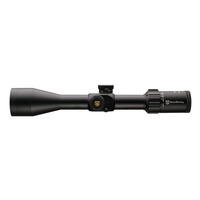



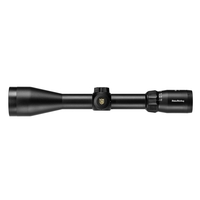
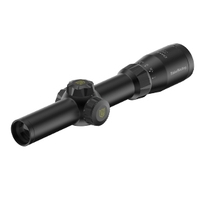

OptiMate Hunter 2-12x50 WA IR BT Rifle Scope
With ballistic turret


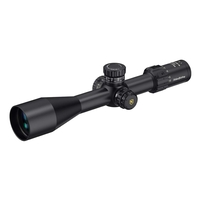
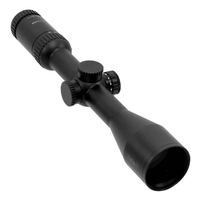
OptiMate Hunter 3-18x56 WA IR BT Rifle Scope
With ballistic turret
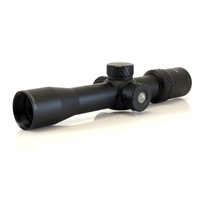


PAO F1 5-30x56 IR SF FFP Riflescope
Mounts included!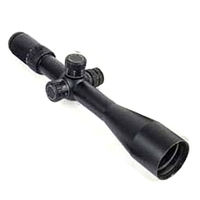
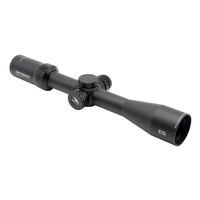
PAO F1 5-20x50 IR SF FFP Rifle Scope
With Side Wheel & Lens Caps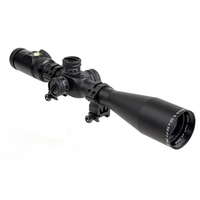

PAO 6-24x56 SSS IR Rifle Scope
Mounts included! Crisp useful image from as little as 5 yds away - making it a genuinely versatile optic! Mike Morton - Airgun Shooter.
PAO 3-9x42 SSS Compact IR Rifle Scope
Mounts included!
PAO 1-4x24 SSS IR Rifle Scope
Mounts included!
PAO 3-9x40 IR PA Riflescope - R/G/B Mil Dot
Mounts included!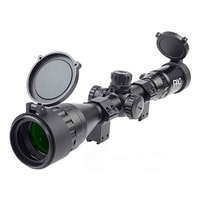
PAO 3-9x50 IR PA Riflescope - R/G/B Mil Dot
Mounts included!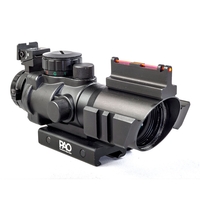





Shooting Optics
What Are Shooting Optics and How Do They Work?
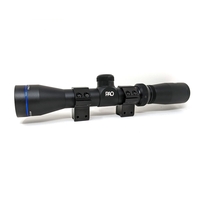
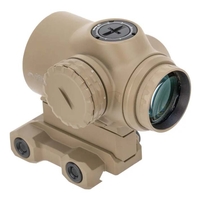
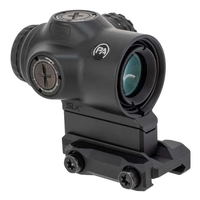
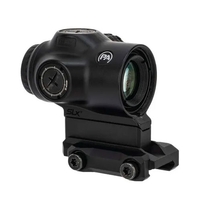
Shooting optics are precision optical devices designed to improve accuracy, target acquisition, and overall shooting confidence across a wide range of disciplines. Commonly used in hunting, target shooting, pest control, and professional field sports, shooting optics include rifle scopes, dot sights, and essential rifle scope accessories that help shooters see clearly, aim precisely, and perform consistently in varied conditions.
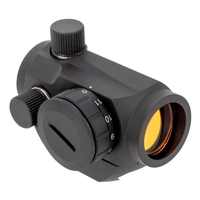
At their core, shooting optics enhance the shooter’s visual connection with the target. Rifle scopes use a combination of lenses and internal reticles to magnify distant targets while maintaining alignment with the firearm. Dot sights, often favoured for fast-paced or short-range shooting, project an illuminated aiming point that allows for rapid target engagement with both eyes open. Accessories such as mounts, sunshades, and lens covers ensure optics remain secure, protected, and optimised for real-world use.
Whether mounted on a hunting rifle for ethical shot placement or fitted to a competition setup for repeatable accuracy, quality shooting optics transform how effectively a shooter can operate in the field.
How to Choose the Right Shooting Optics for Your Needs
Selecting the right shooting optics depends on how, where, and what you shoot. A well-matched optic should complement your firearm, shooting distance, and environment rather than overcomplicating your setup.
Magnification and Zoom Range
Magnification is one of the first considerations. Lower magnification scopes are ideal for woodland stalking or moving targets, while higher magnification suits long-range shooting on open ground. Variable zoom scopes offer flexibility, allowing shooters to adapt to different distances without changing optics.
Objective Lens Size and Light Transmission
The objective lens controls how much light enters the scope. Larger objective lenses typically provide a brighter image, especially useful at dawn or dusk. However, they also add size and weight, so balance is key for mobile hunters or lightweight builds.
Reticles and Illumination
Modern reticles range from simple crosshairs to advanced ballistic designs. Illuminated reticles are particularly valuable in low-light conditions, ensuring the aiming point remains visible against dark backgrounds. Choosing a reticle that matches your shooting style can significantly improve speed and precision.
Durability and Build Quality
Shooting optics must withstand recoil, weather, and rough handling. Look for features such as shock resistance, nitrogen purging, and sealed housings. For demanding environments, rugged construction is just as important as optical clarity.
For shooters building a complete setup, browsing optics and accessories alongside shooting accessories helps ensure compatibility and long-term reliability.
Top Shooting Optics Brands and Models at Uttings
Uttings stocks a carefully selected range of shooting optics from trusted, performance-driven manufacturers. These brands are known for consistent quality, reliable mechanics, and optical clarity that performs in real field conditions.
Rifle scopes in the range cater to everything from entry-level shooters seeking dependable performance to professionals requiring advanced adjustment systems and premium glass. Dot sights provide lightweight, fast-acquisition solutions ideal for dynamic shooting scenarios, while rifle scope accessories ensure every optic is mounted securely and protected for long-term use.
Customers often explore shooting optics alongside airguns or rifles to create a balanced, purpose-built shooting system tailored to their discipline.
Shooting Optics Tips and Expert Advice
Getting the most from your shooting optics goes beyond installation. Correct mounting height, proper eye relief, and accurate zeroing all play a role in achieving consistent results. Beginners benefit from starting with simpler reticles and moderate magnification, allowing them to focus on fundamentals without distraction.
Experienced shooters often fine-tune their setup for specific applications. For example, a long-range target shooter may prioritise precise turret adjustments and repeatable tracking, while a hunter may focus on low-light performance and fast reticle visibility. Regular lens cleaning, checking mount torque, and storing optics correctly will also extend lifespan and maintain clarity.
When paired with quality shooting clothing and reliable field gear, well-chosen shooting optics become a dependable extension of the shooter rather than just an accessory.
Why Buy Shooting Optics at Uttings
Uttings is a family-run business based in Norwich, established in 1976, with decades of experience serving the outdoor and field sports community. Known for stocking premium products from the world’s leading brands, Uttings combines specialist knowledge with a genuine passion for the outdoors.
With over 45,000 five-star Trustpilot reviews, customers trust Uttings for expert advice, fast delivery, and dependable customer service. Whether you are upgrading existing equipment or investing in your first optic, Uttings provides the reassurance of experience-backed guidance and a carefully curated product range.
Shooting Optics FAQs
What magnification is best for shooting optics?
The best magnification depends on distance and use. Low magnification suits close-range and moving targets, while higher magnification is better for long-range precision shooting.
What does objective lens size mean on a rifle scope?
The objective lens size affects brightness and light transmission. Larger lenses gather more light, improving visibility in low-light conditions.
Are dot sights better than rifle scopes?
Dot sights excel at fast target acquisition and short-range shooting, while rifle scopes are better for precision and longer distances.
How important is eye relief?
Eye relief determines how far your eye can be from the optic while maintaining a full image. Proper eye relief improves comfort and safety.
What is field of view in shooting optics?
Field of view refers to how much of the scene you can see through the optic. A wider field of view helps with tracking moving targets.
Do shooting optics need to be weatherproof?
Yes, weatherproofing protects optics from moisture, fog, and temperature changes, ensuring reliable performance outdoors.
What are rifle scope accessories used for?
Accessories such as mounts, lens covers, and sunshades improve stability, protection, and usability of shooting optics.
Can beginners use high-magnification scopes?
Beginners can use them, but moderate magnification is often easier to manage and better for learning shooting fundamentals.
How often should shooting optics be re-zeroed?
Re-zeroing is recommended after transport, heavy use, or if accuracy appears inconsistent.