


Fly Line & Backing



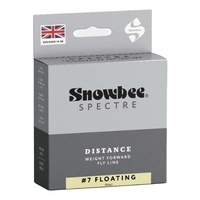


Fly Line & Backing
What Are Fly Line & Backing and How Do They Work?
Fly line and backing are fundamental components of any fly fishing setup, playing a crucial role in how effectively you cast, control, and land fish. Unlike conventional fishing where the weight of the lure carries the line, fly fishing relies on the weight of the fly line itself to deliver the fly accurately. This makes choosing the right fly line just as important as selecting the correct rod or reel.
Fly line is a specially weighted, tapered line designed to load the fly rod during casting. It transfers energy from the rod to the leader and fly, allowing for smooth, controlled presentations across rivers, lakes, and coastal waters. Backing, by contrast, is a thinner, high-strength line attached between the fly reel and the fly line. Its primary purpose is to provide extra length and security when a powerful fish runs beyond the reach of your fly line.
Together, fly line and backing form a balanced system. Whether you are stalking trout on a small chalk stream, targeting grayling in winter flows, or pursuing hard-fighting saltwater species, the right combination improves casting efficiency, line control, and fish-playing confidence.
How to Choose the Right Fly Line & Backing for Your Needs
Selecting fly line and backing can feel complex at first, but understanding a few core principles makes the process straightforward. The key is matching your line and backing to your fishing environment, target species, and existing tackle.
Fly Line Weight and Rod Matching
Fly lines are rated by weight, typically from #1 (very light) to #12 and above (heavy saltwater). This number must match the weight rating of your fly rod to ensure optimal casting performance. A correctly matched line loads the rod efficiently, improving accuracy and reducing fatigue during long sessions.
Floating, Sinking, and Intermediate Lines
Floating fly lines are the most popular and versatile choice, ideal for dry fly fishing, nymphing, and general freshwater use. Sinking fly lines and sink-tip options are designed to get flies down quickly in deeper or faster water, making them well suited to stillwaters, reservoirs, and sea trout fishing. Intermediate lines sink slowly and are often favoured for loch-style fishing or shallow coastal work.
Line Taper and Casting Style
The taper of a fly line affects how it casts and presents the fly. Weight-forward tapers are forgiving and easy to cast, making them ideal for beginners and general fishing. Double taper lines offer excellent control and delicate presentation, often preferred by experienced anglers on small rivers. Specialist tapers are also available for distance casting, roll casting, or shooting heads.
Backing Strength and Capacity
Backing is typically measured in breaking strain, commonly ranging from 20lb to 50lb for freshwater and higher for saltwater. Lighter backing allows more capacity on the reel, while heavier backing offers added security against strong fish. Ensuring your reel has sufficient backing capacity is essential, particularly when fishing for species known for long, powerful runs.
| Fishing Scenario | Recommended Fly Line | Typical Backing |
|---|---|---|
| Small rivers & streams | Floating, weight-forward | 20lb Dacron |
| Stillwater trout fishing | Intermediate or sinking | 20–30lb backing |
| Saltwater fly fishing | Floating or fast sinking | 30–50lb backing |
Top Fly Line & Backing Brands and Models at Uttings
Uttings stocks a carefully curated range of fly lines and backing from trusted manufacturers known for consistency, durability, and performance. These products are designed to complement quality fly rods and fly reels, ensuring a balanced setup for every angler.
From easy-casting floating lines ideal for newcomers, to advanced textured lines designed for distance and line control, our range caters to both hobbyists and seasoned professionals. Backing options include traditional Dacron for reliability and modern gel-spun alternatives for maximum strength with minimal diameter.
Whether you are refreshing an existing setup or building a complete outfit alongside leaders and tippet, you will find dependable options suitable for freshwater, stillwater, and saltwater fly fishing.
Fly Line & Backing Tips and Expert Advice
For beginners, starting with a quality weight-forward floating line and standard backing is often the best route. This combination is forgiving, versatile, and well suited to learning core casting techniques. Pairing it with balanced fly fishing accessories such as line cleaners and reel tools helps extend lifespan and maintain performance.
Experienced anglers may fine-tune their choice based on seasonal conditions, water depth, or specific species. Switching between floating and sinking lines, or carrying spare spools with different setups, allows rapid adaptation on the water. Regularly checking backing knots and line condition is a small habit that can prevent lost fish and equipment failure.
Why Buy Fly Line & Backing at Uttings
Uttings is a family-run business based in Norwich, established in 1976 and built on decades of hands-on experience in outdoor and field sports retail. Our team understands fly fishing from a practical perspective, offering advice grounded in real-world use rather than theory alone.
We stock premium fly line and backing from the world’s leading brands, backed by expert customer service, fast delivery, and a genuine passion for the great outdoors. With over 45,000 five-star reviews on Trustpilot, anglers trust Uttings to deliver quality, value, and dependable support every time.
Fly Line & Backing FAQs
What fly line weight should I choose?
Choose a fly line that matches your rod’s weight rating. This ensures proper rod loading and smoother casting.
What is the difference between floating and sinking fly line?
Floating lines stay on the surface for dry flies and nymphs, while sinking lines get flies down quickly in deeper water.
How much backing do I need on a fly reel?
Most freshwater setups use 50–100 metres of backing, while saltwater reels often require significantly more.
Is fly line taper important?
Yes. Taper affects casting style, presentation, and distance, making it an important factor when choosing a line.
What backing strength is best for trout fishing?
For trout, 20lb backing is usually sufficient and offers a good balance of strength and reel capacity.
How long does fly line last?
With proper care and cleaning, quality fly line can last several seasons of regular use.
Can I use the same backing with different fly lines?
Yes, backing can usually be reused when changing fly lines, provided it remains in good condition.