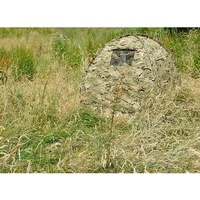
Hides
What Are Hides and How Do They Work?
Hides are purpose-built shelters designed to conceal human presence while observing, photographing, or studying wildlife. By breaking up your outline, masking movement, and reducing noise and scent, a hide allows you to get closer to animals and birds without disturbing their natural behaviour. Whether you are watching waders on a shoreline, photographing deer at dawn, or monitoring garden birds, a well-chosen hide creates a controlled viewing environment that benefits both the observer and the wildlife.
Modern hides range from lightweight pop-up designs that deploy in seconds to more robust framed structures intended for longer sessions or repeated use. Most are constructed from durable, weather-resistant fabrics in natural camouflage patterns, helping them blend seamlessly into woodland, grassland, or wetland settings. Strategically placed viewing windows and zippered ports allow for optics, cameras, or lenses to be positioned discreetly while maintaining concealment.
How to Choose the Right Hides for Your Needs
Selecting the right hide depends on how, where, and how often you plan to use it. For beginners, ease of setup and portability are often the priority, while professionals may focus on stability, interior space, and long-term durability.
Size and capacity are key considerations. Solo photographers using long lenses may prefer compact one-person hides that are quick to deploy and easy to carry. If you work with larger camera systems, spotting scopes, or plan to share the hide with a companion, a two-person or chair-style hide offers additional room and comfort.
Portability and setup matter greatly in the field. Pop-up hides fold down into carry bags and can be erected in moments, making them ideal for mobile wildlife photography or birdwatching sessions where you move locations frequently. Framed hides take longer to assemble but provide greater rigidity and are better suited to extended stays.
Weather protection and durability should not be overlooked. Look for hides made from waterproof or water-resistant materials with taped seams, especially if you plan to use them year-round. Reinforced ground sheets, sturdy poles, and reliable zips all contribute to longevity and comfort in challenging conditions.
Finally, consider viewing access and compatibility. Multiple shooting windows, mesh panels, and adjustable openings make it easier to work with different camera angles or optics. If you regularly pair your hide with equipment such as binoculars, spotting scopes, or tripods and supports, ensure the hide layout accommodates stable positioning.
Top Hides Brands and Models at Uttings
At Uttings, the hide range focuses on proven designs from respected outdoor and wildlife brands known for reliability in the field. From entry-level pop-up hides ideal for hobbyists to professional-grade photographic hides engineered for demanding use, each model is selected for performance, build quality, and value.
Compact pop-up hides are popular with birdwatchers and photographers who need a fast, discreet solution for short sessions. Chair and stool-integrated hides provide comfort during long waits, while larger framed hides are favoured by professionals conducting surveys, filming, or repeat observations at fixed locations.
To help compare typical hide styles, the table below outlines common features and use cases.
|
Hide Type |
Best For |
Key Advantage |
| Pop-Up Hide |
Mobile birdwatching and photography |
Fast setup and easy transport |
| Chair Hide |
Long observation sessions |
Built-in comfort and stability |
| Framed Hide |
Professional and repeat use |
Excellent weather resistance |
Hides Tips and Expert Advice
Using a hide effectively is as much about preparation as the hide itself. Arrive early and allow time for wildlife to settle after setup. Position your hide with the sun behind you where possible to improve visibility and reduce glare on optics or camera lenses.
Blending the hide into its surroundings improves results. Adding natural vegetation, reeds, or branches around the exterior helps soften outlines and enhances camouflage. Inside the hide, keep movement slow and deliberate, and organise your equipment so adjustments can be made quietly.
For beginners, a hide paired with entry-level optics such as nature binoculars or a compact camera offers an accessible way to learn wildlife behaviour. Professionals often integrate hides into more complex setups, combining them with high-magnification optics, remote cameras, or accessories from the wider optics range.
Why Buy Hides at Uttings
Uttings is a family-run business based in Norwich, established in 1976, with decades of experience supporting outdoor enthusiasts, field sports professionals, and wildlife specialists. The hides available are carefully selected from leading brands to meet the demands of real-world use.
With expert customer service, fast delivery, and a genuine passion for the great outdoors, Uttings has earned the trust of over 45,000 five-star Trustpilot reviewers. Whether you are buying your first hide or upgrading to a professional solution, you can rely on knowledgeable advice and dependable support.
Hides FAQs
What are wildlife hides used for?
Wildlife hides are used to conceal observers so they can watch or photograph animals without causing disturbance.
Are pop-up hides suitable for beginners?
Yes, pop-up hides are lightweight, easy to set up, and ideal for beginners exploring birdwatching or photography.
How weatherproof are modern hides?
Most modern hides use water-resistant fabrics and reinforced seams, making them suitable for year-round outdoor use.
Can I use a hide with a tripod?
Many hides feature adjustable windows designed to accommodate tripods, spotting scopes, and long camera lenses.
Do hides work for garden wildlife?
Smaller hides can be very effective in gardens, allowing close observation of birds and mammals with minimal disturbance.
How long should I stay in a hide?
Session length varies, but longer, quieter stays often yield better results as wildlife becomes accustomed to the hide.
Is camouflage pattern important?
Natural camouflage patterns help hides blend into surroundings, improving concealment and overall effectiveness.
Back to top of page.