


Pulsar Symbion LRF DXT50 Multispectral Binoculars


Product Details
Manufacturer code: PUL-77456 | Our code: 146586
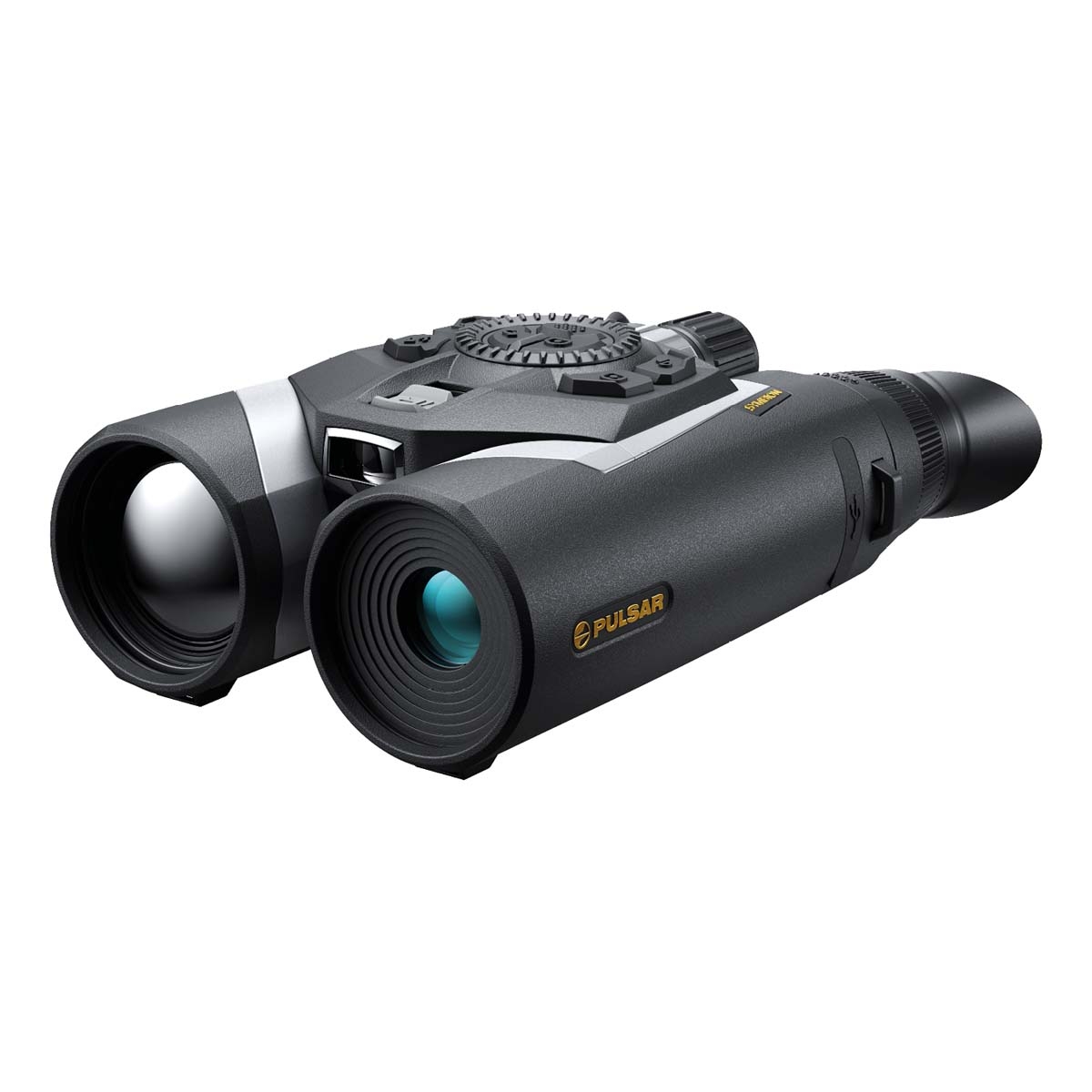
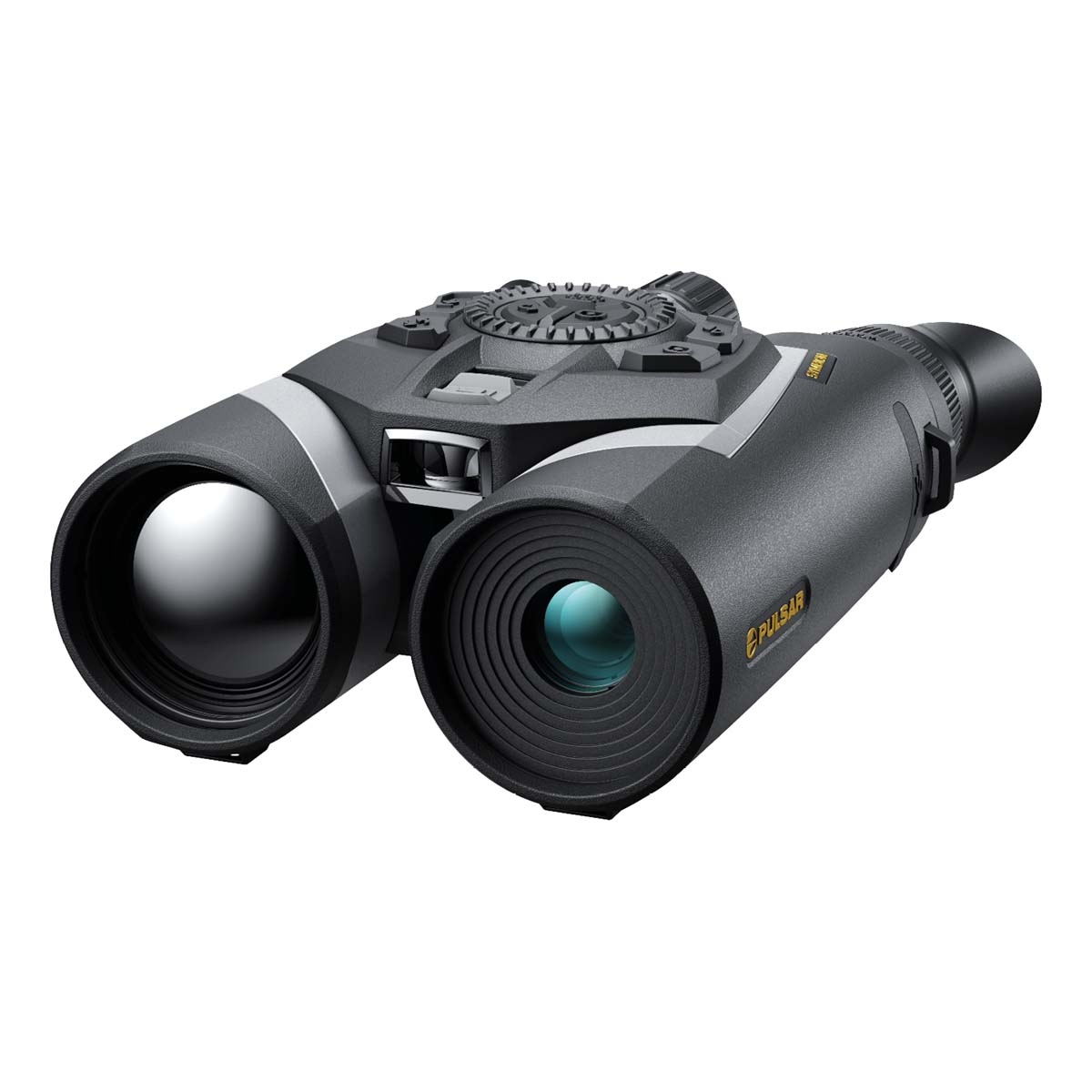
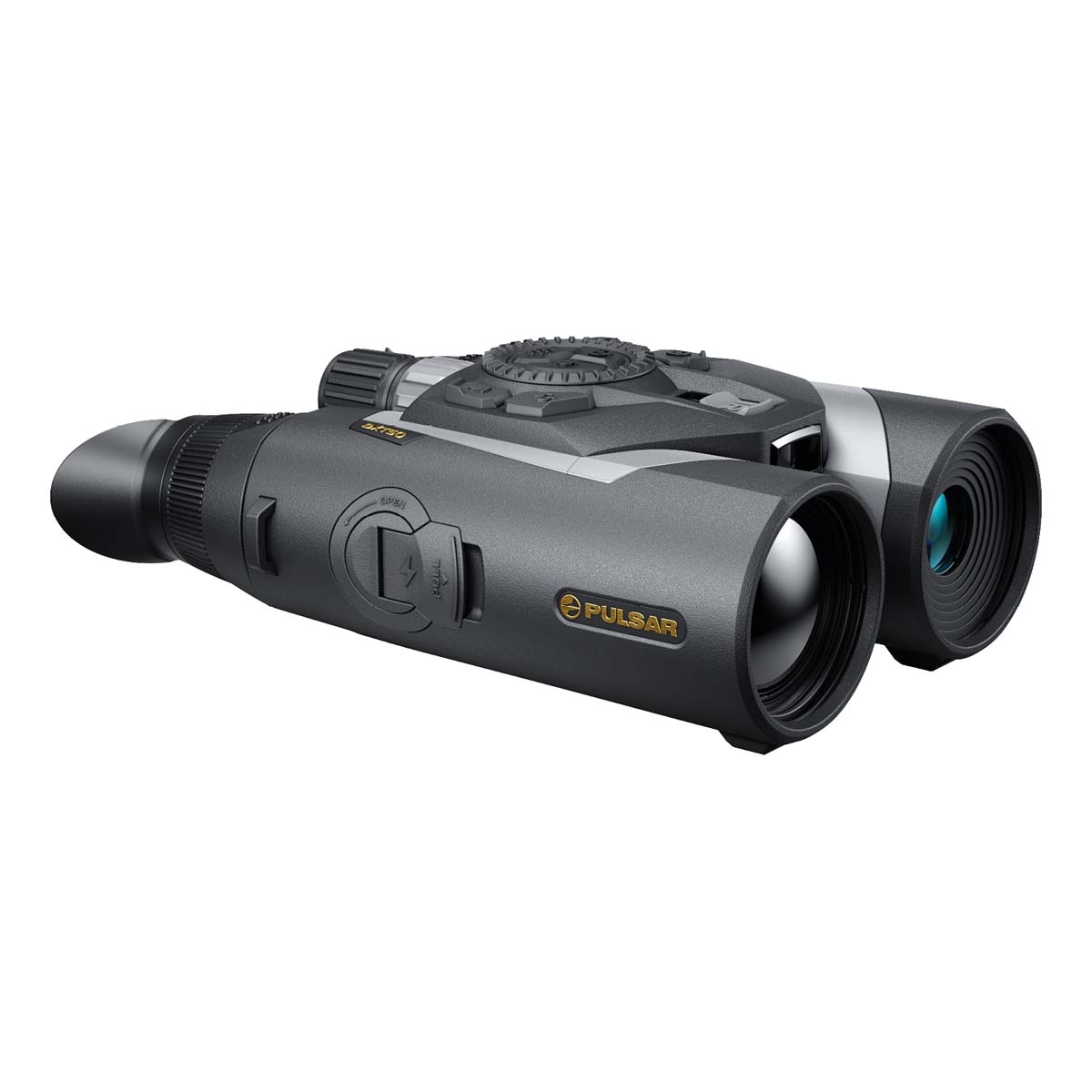
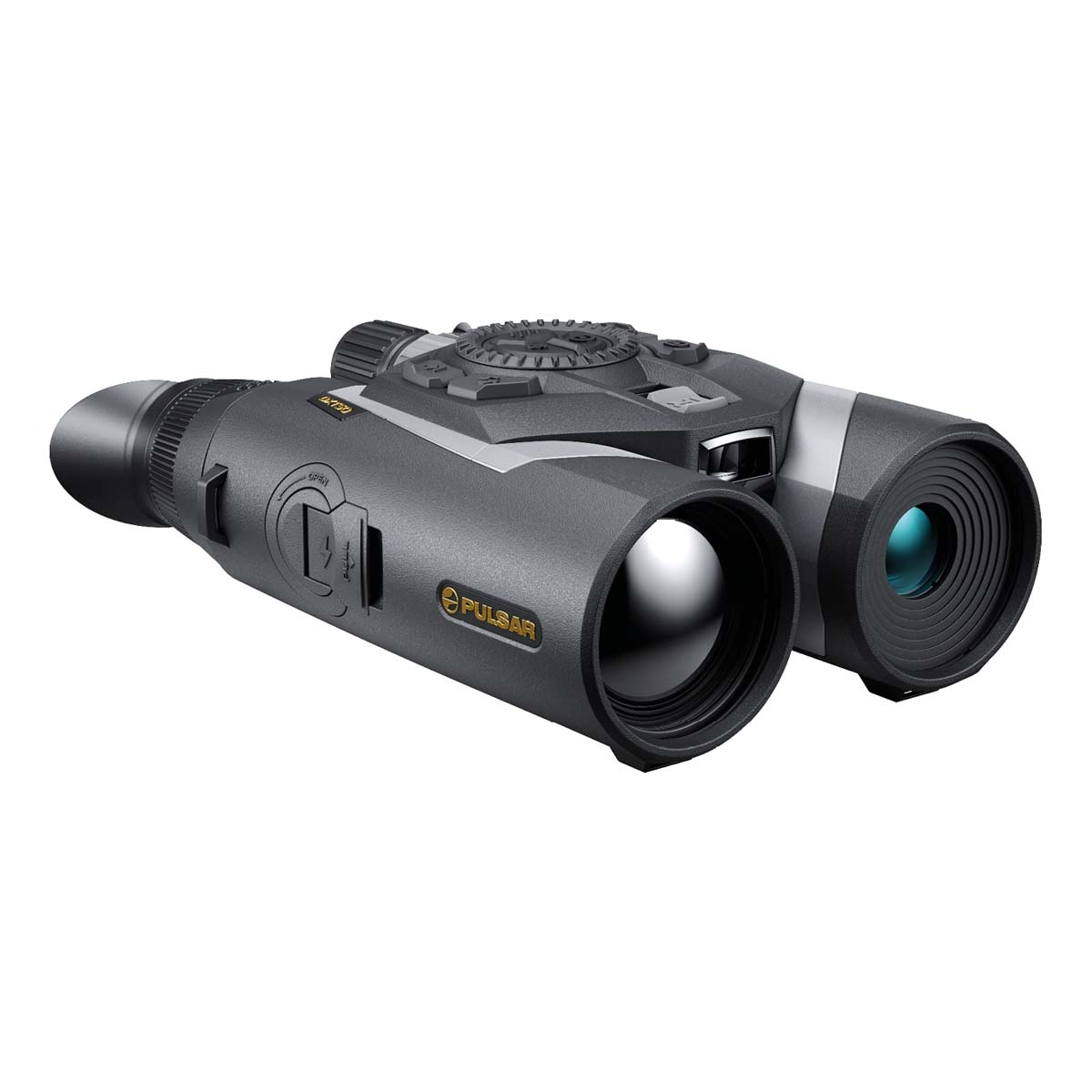
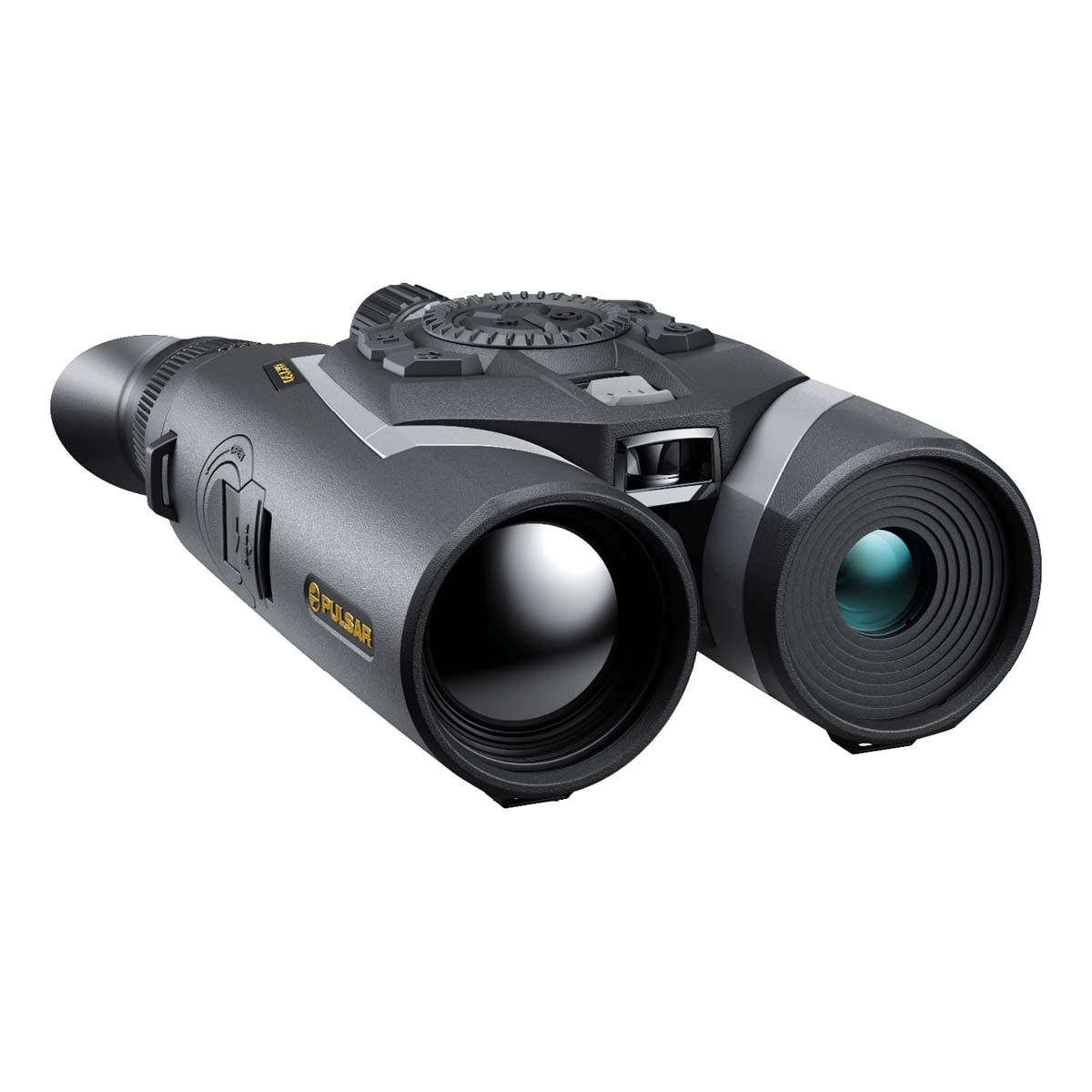
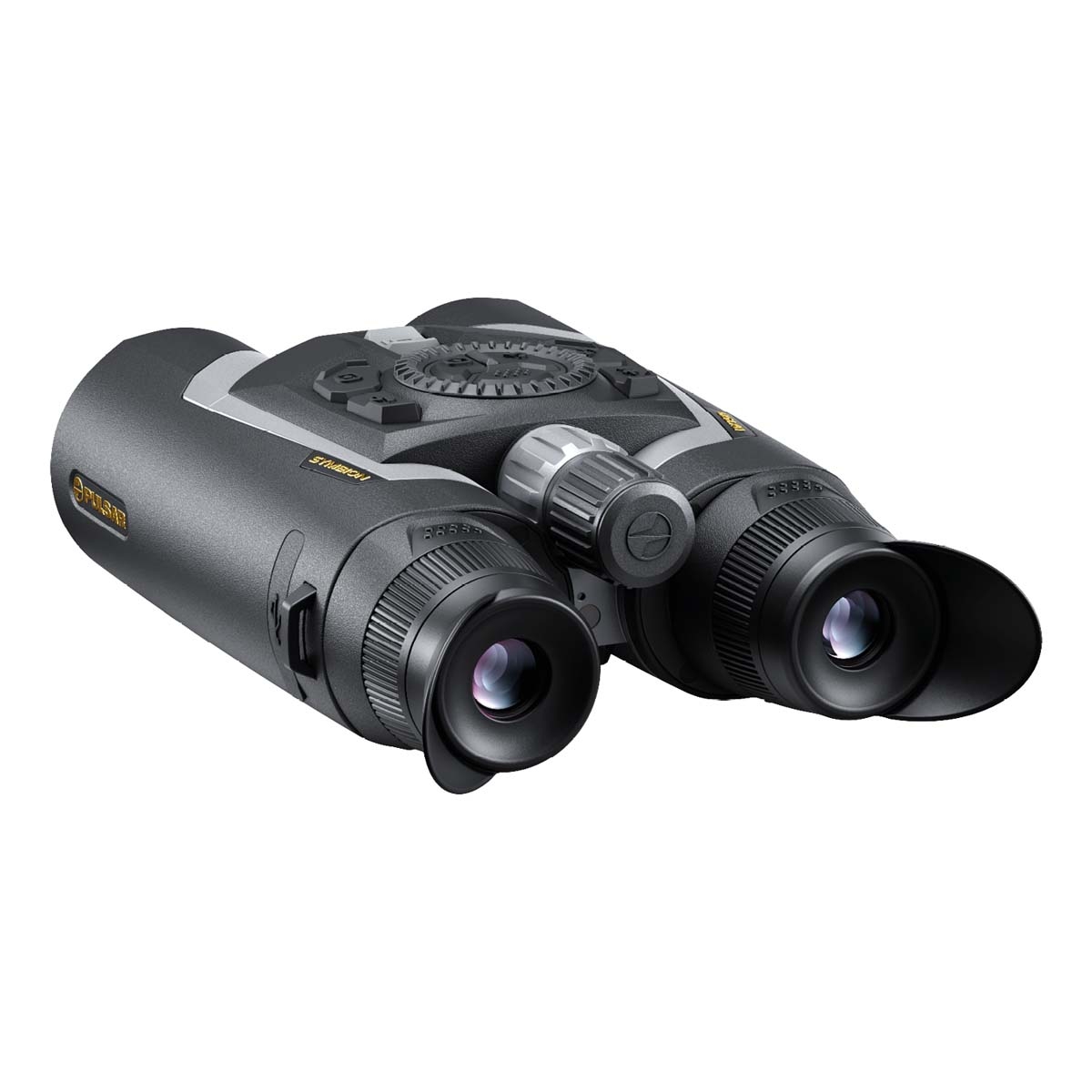
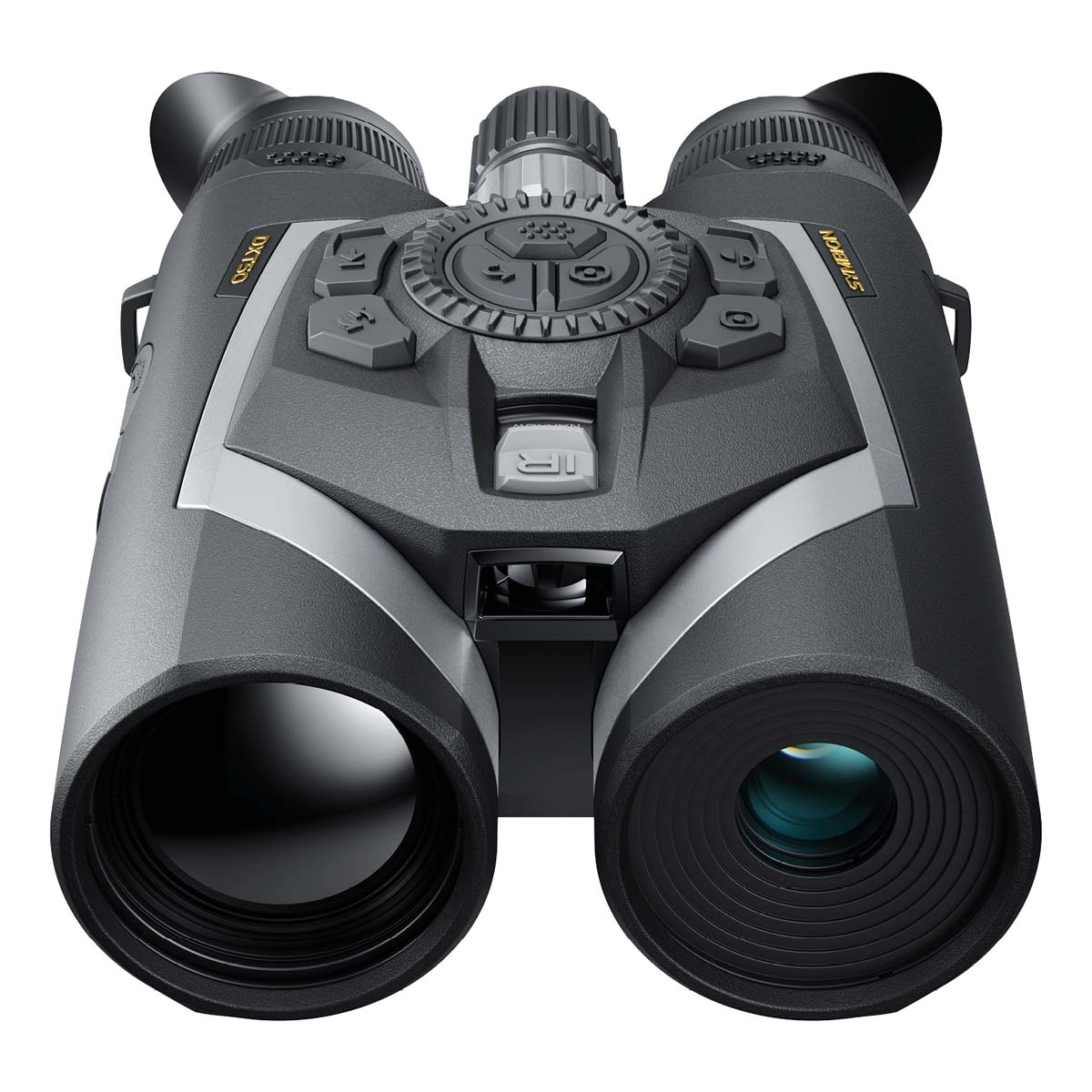
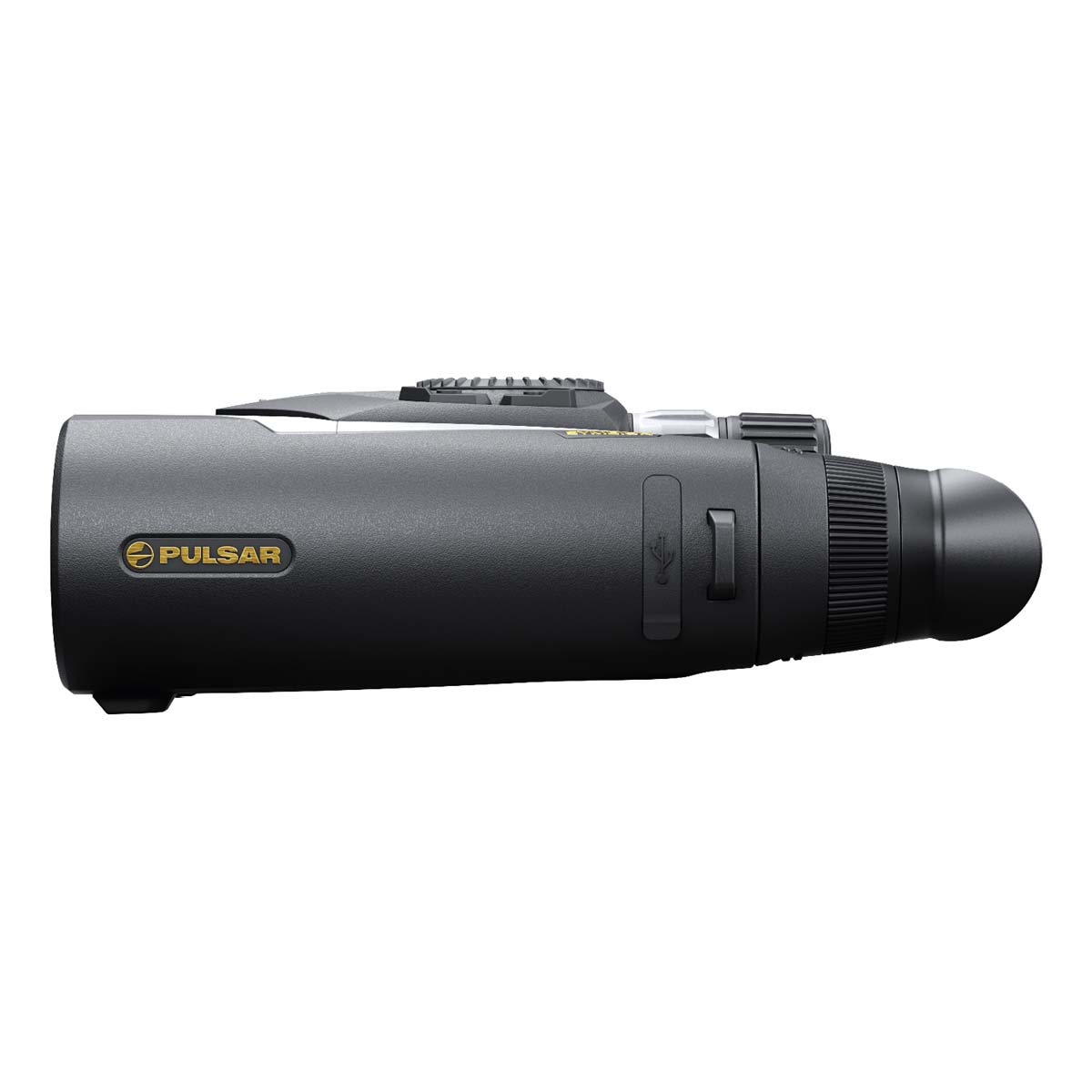
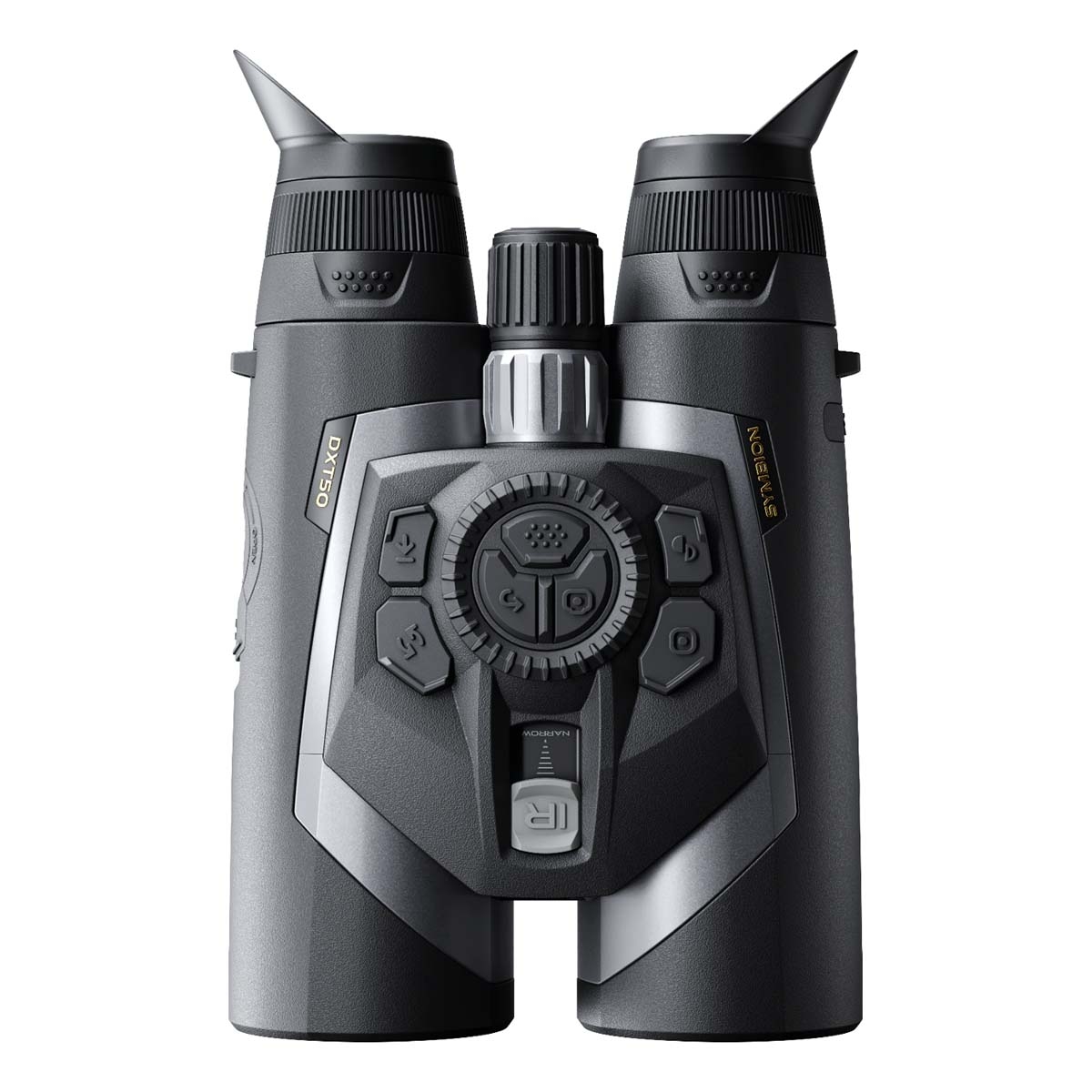
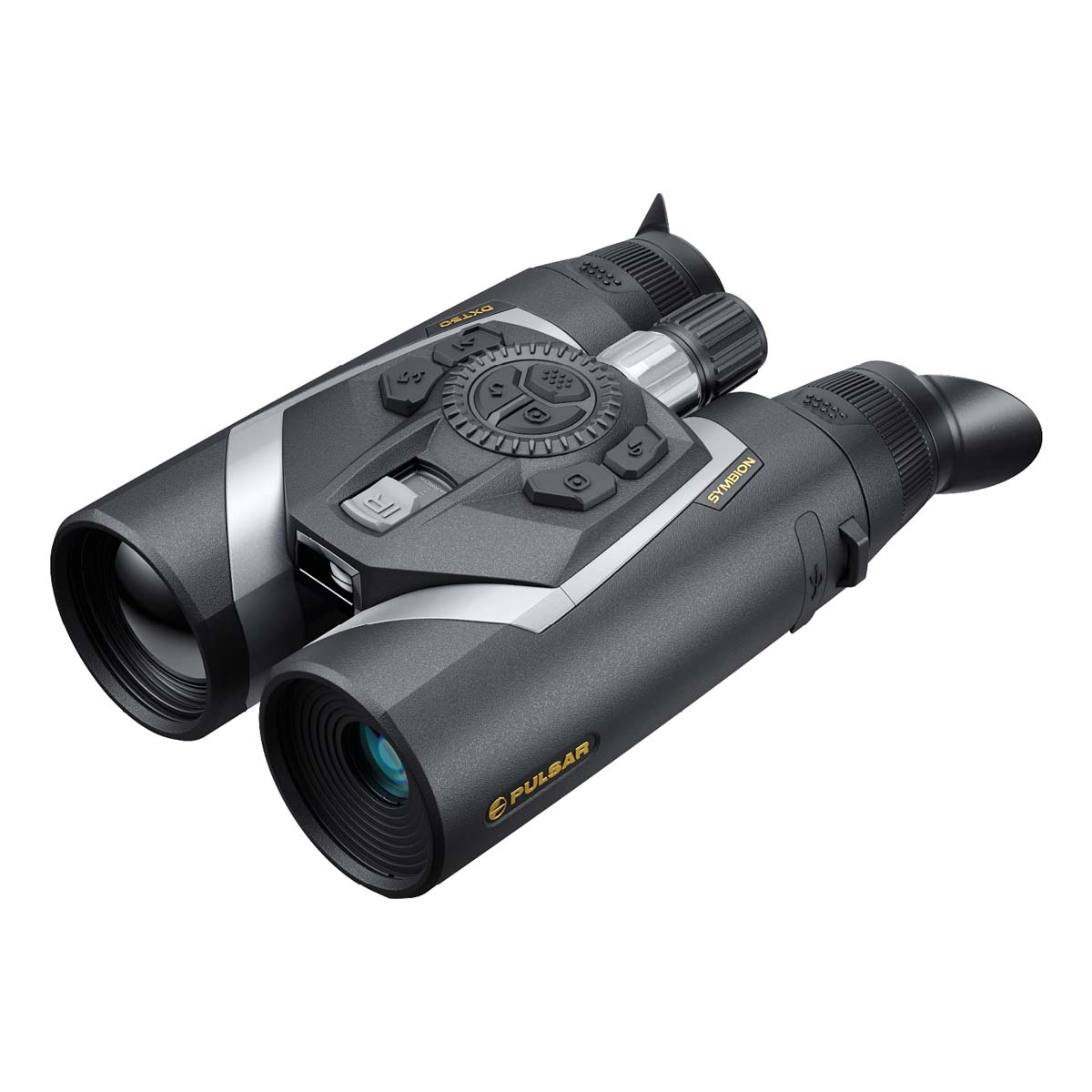
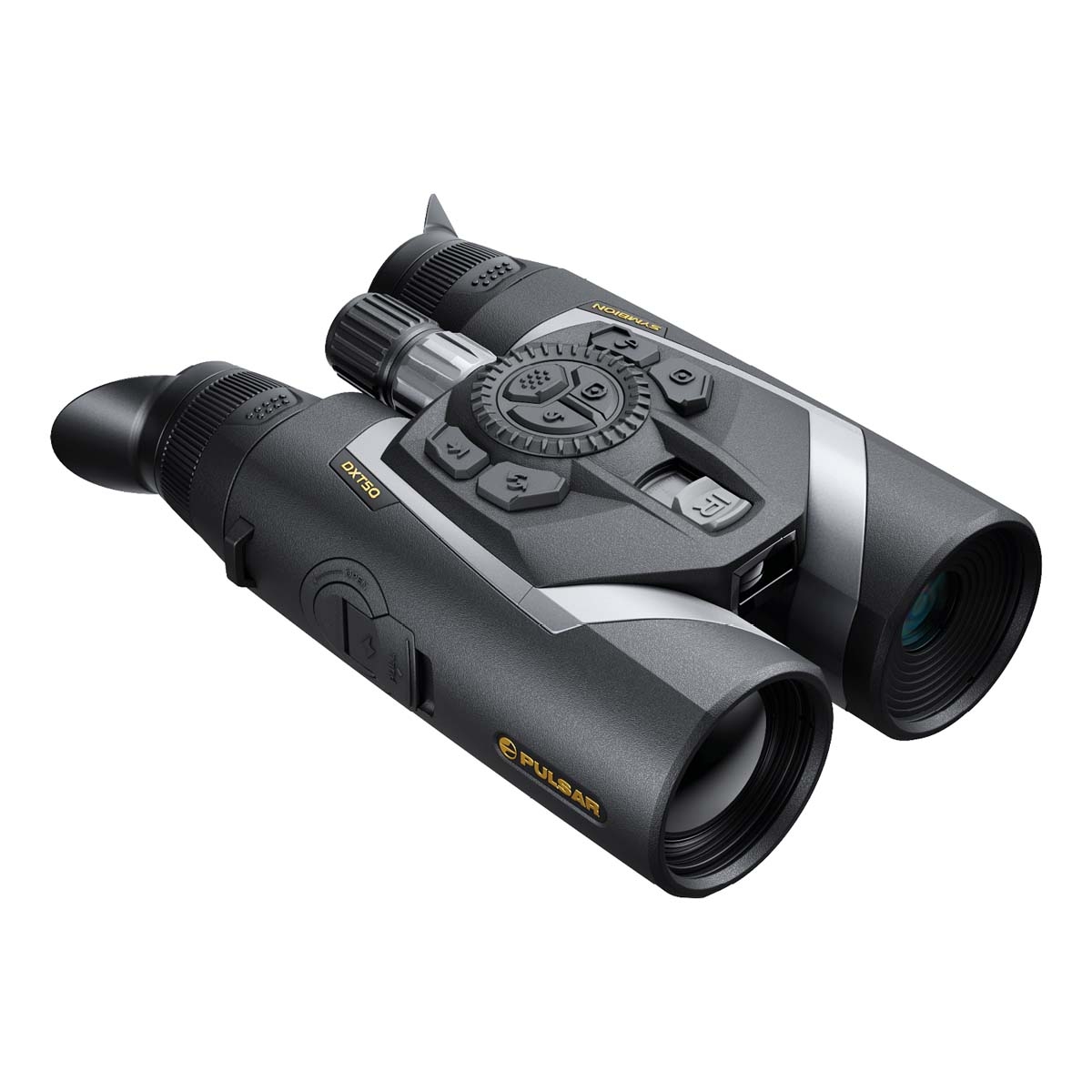
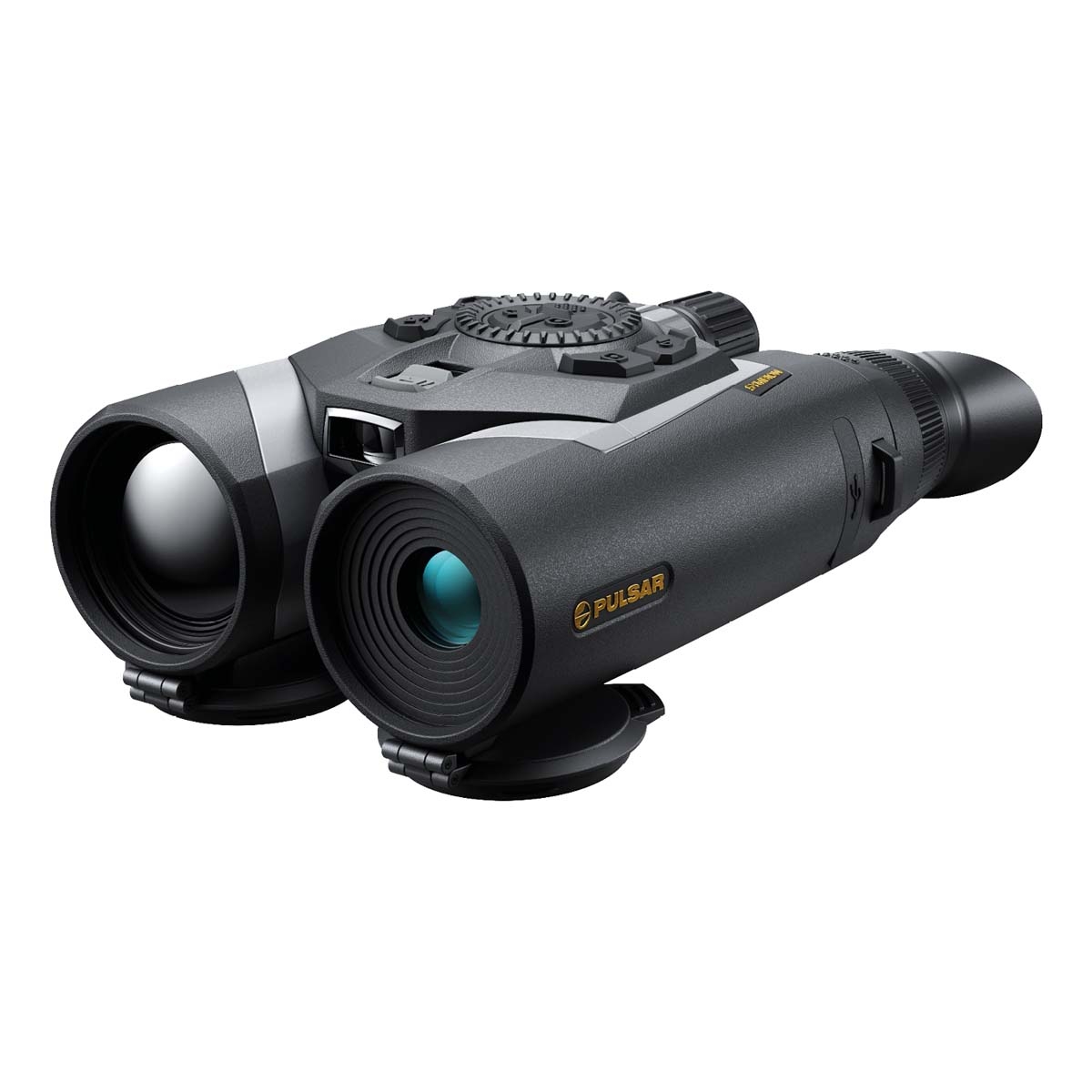
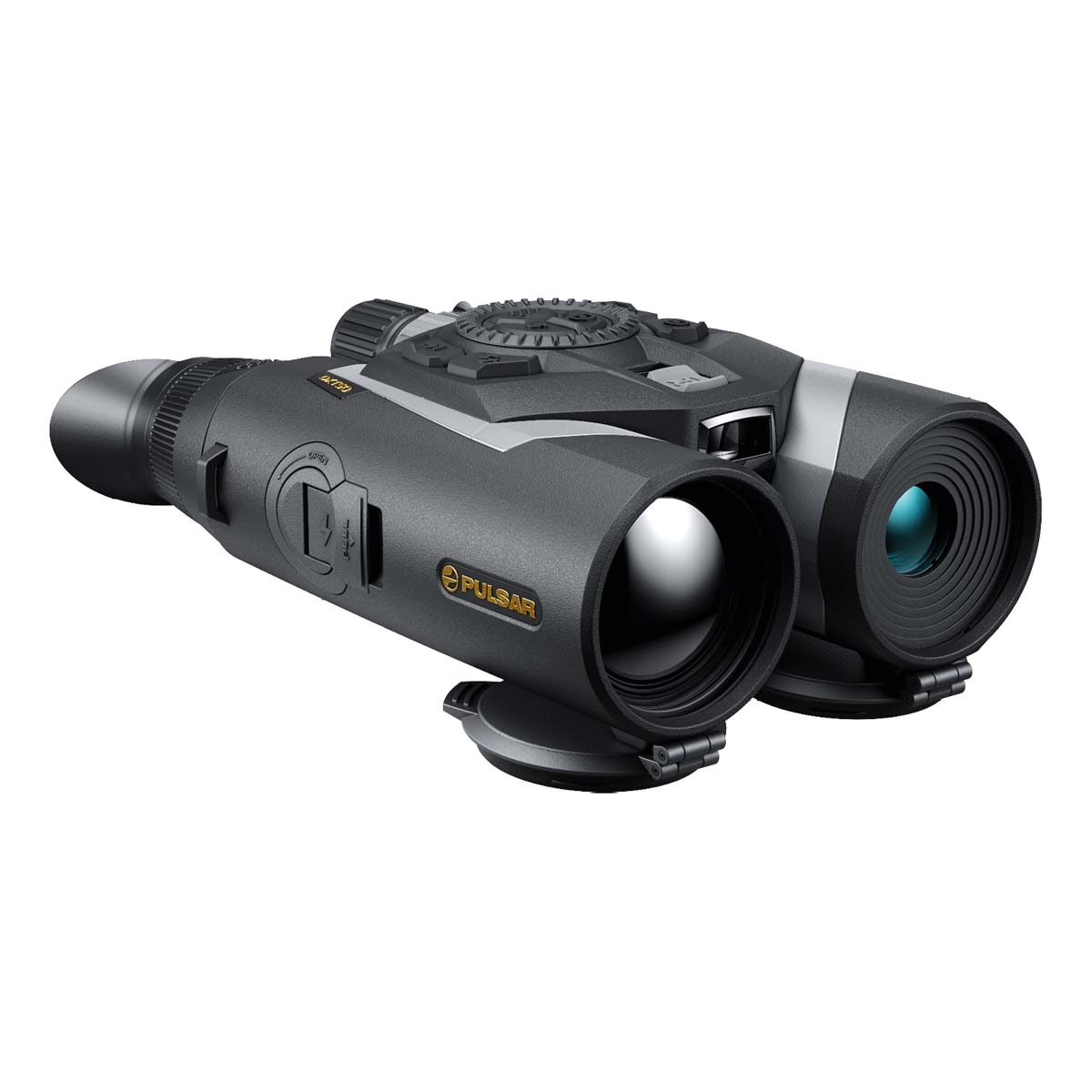
The Pulsar Symbion LRF DXT50 multispectral binoculars combine HD thermal imaging, 4K digital day and night viewing, and an integrated laser rangefinder. Its wide thermal field of view and 2x starting magnification suit scanning woodland and mixed terrain, while separate imaging channels let you locate heat signatures and examine the scene in colour or infrared-assisted night vision.
Key features
- 1280 × 1024 thermal sensor with a wide field of view for surveying your surroundings.
- 4K digital sensor for colour daytime viewing and black-and-white night vision.
- Built-in focusable infrared illuminator with adjustable power.
- Duo multispectral mode displays thermal and digital views together using Picture-in-Picture.
- Electronic image stabilisation and an integrated laser rangefinder.
- Photo and video recording with audio, internal storage and Stream Vision 2 smartphone connectivity.
Wide-field thermal imaging for woodland and mixed terrain
The DXT50 combines a 1280 × 1024, 12µm thermal sensor with a 50mm f/1.0 objective lens. At its 2x starting magnification, the thermal channel provides a 17.5° horizontal field of view, covering 30.7m at 100m. This broad view helps you survey woodland edges, follow movement and search mixed ground while keeping more of the surrounding scene visible.
System thermal sensitivity of less than 20mK helps distinguish small temperature differences between a subject and its background. Digital zoom is available for closer inspection, and the quoted thermal detection range reaches up to 2,300m for a deer-sized object.
Digital observation by day and night
The separate 4K CMOS sensor provides full-colour viewing during daylight and twilight. Switch to black-and-white digital night vision as light levels fall, using the integrated 850nm infrared illuminator to support observation in darkness.
The illuminator offers adjustable focus and three power settings, allowing you to tailor the beam to the observation distance and conditions. The digital channel has its own focusing control and a magnification range of 6.5–26x.
The 4K specification refers to the digital sensor. Display and recording resolutions are listed separately in the specifications below.
Compare thermal and digital views simultaneously
Duo multispectral mode places one imaging channel in the main viewing area and the other in a Picture-in-Picture window. You can therefore compare a heat signature with the digital view without repeatedly switching channels.
Picture-in-Picture also supports a magnified inset for examining detail while retaining the wider scene in the main image.
Image stabilisation and adjustable viewing settings
Electronic image stabilisation helps reduce visible handheld shake, particularly when magnification is increased. Nine thermal colour palettes provide different ways to display temperature differences, while Normal, High and Ultra sensitivity settings let you adjust thermal image processing to suit the scene.
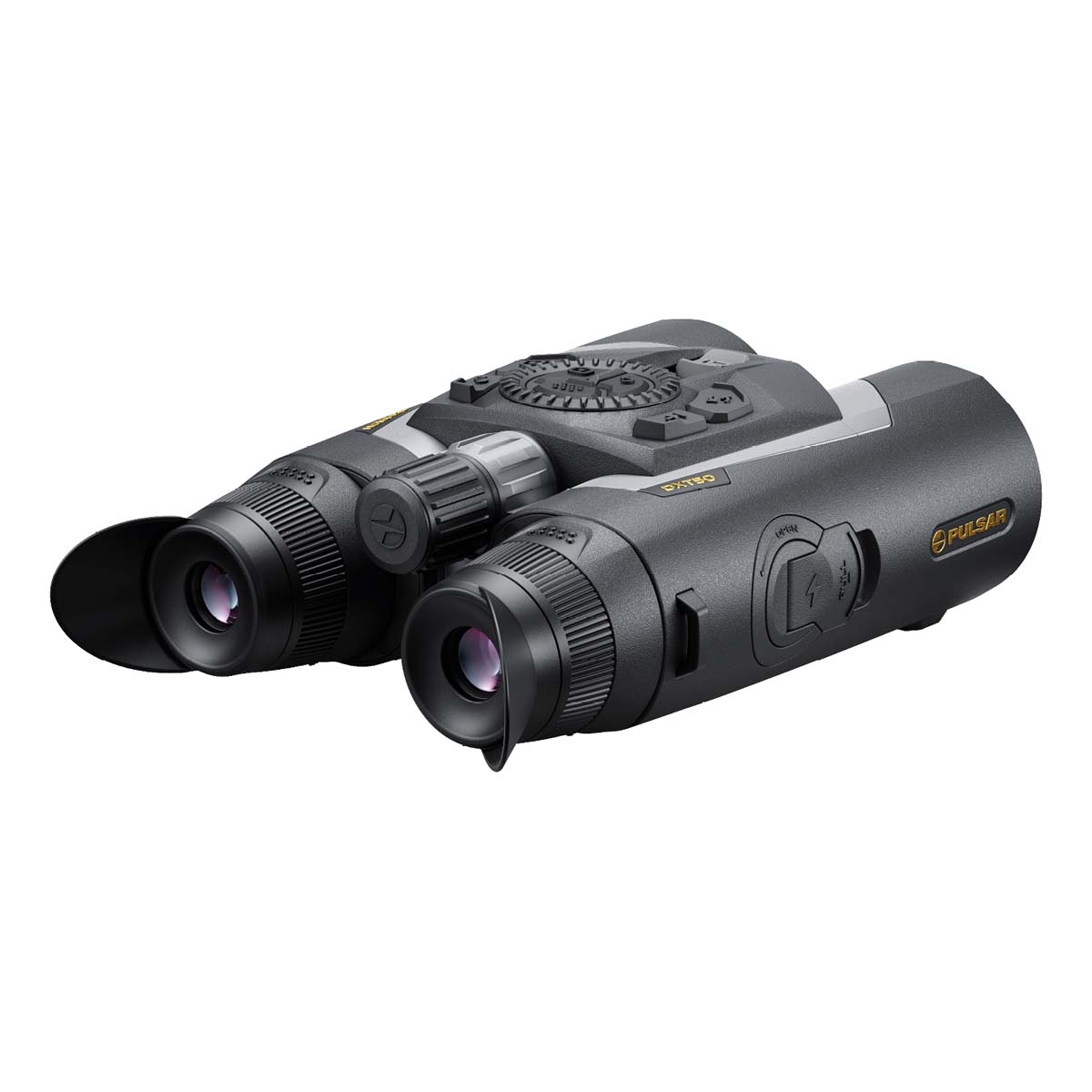
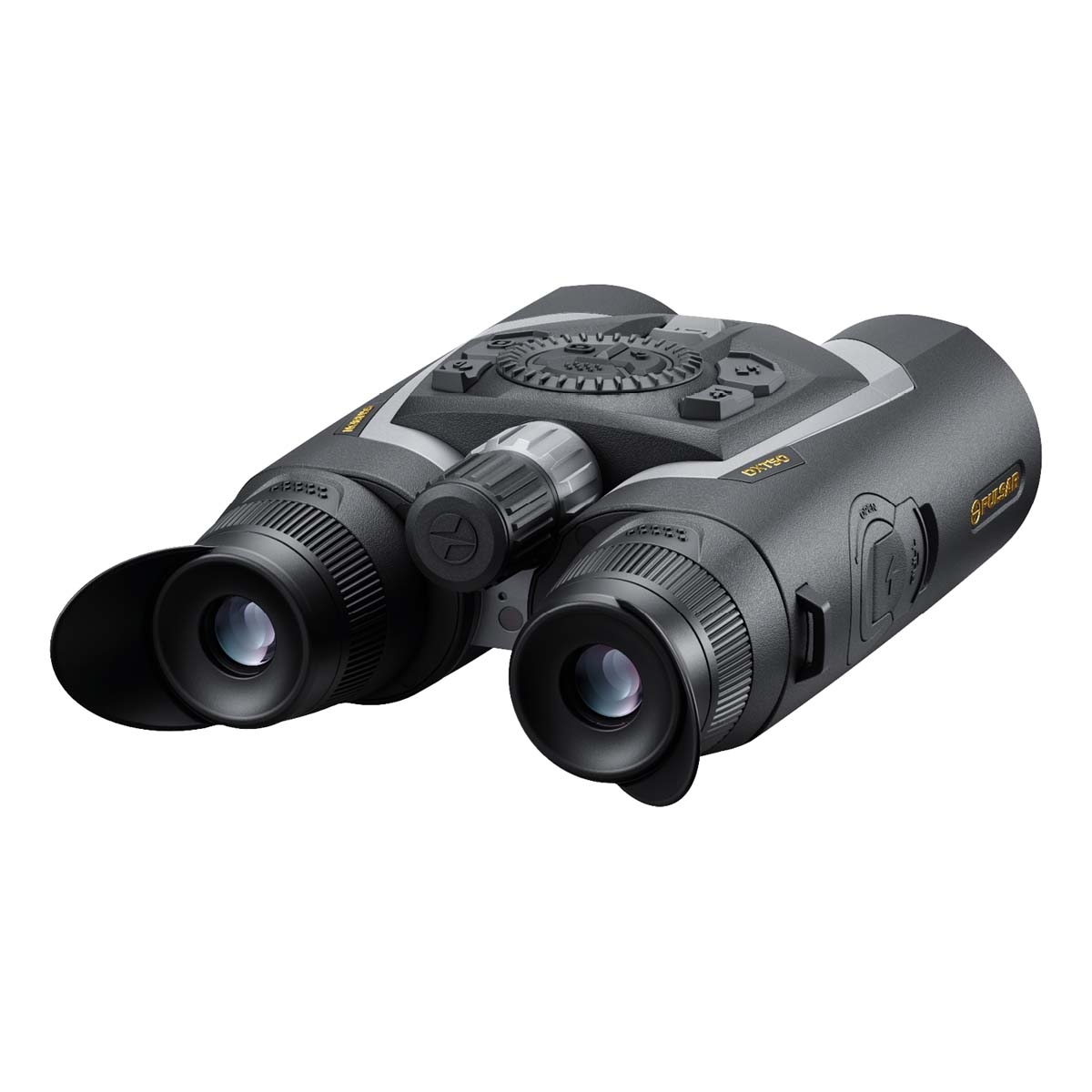
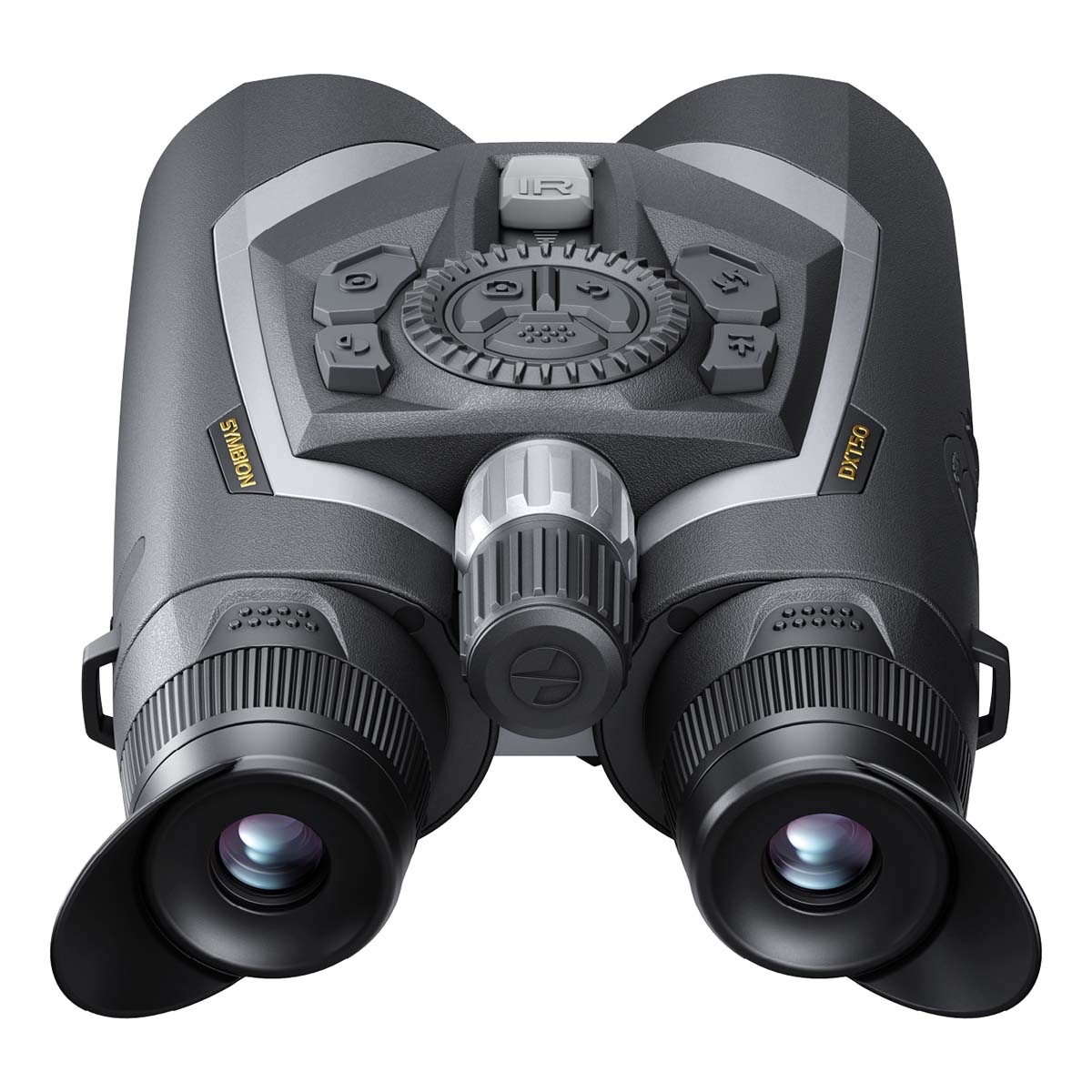
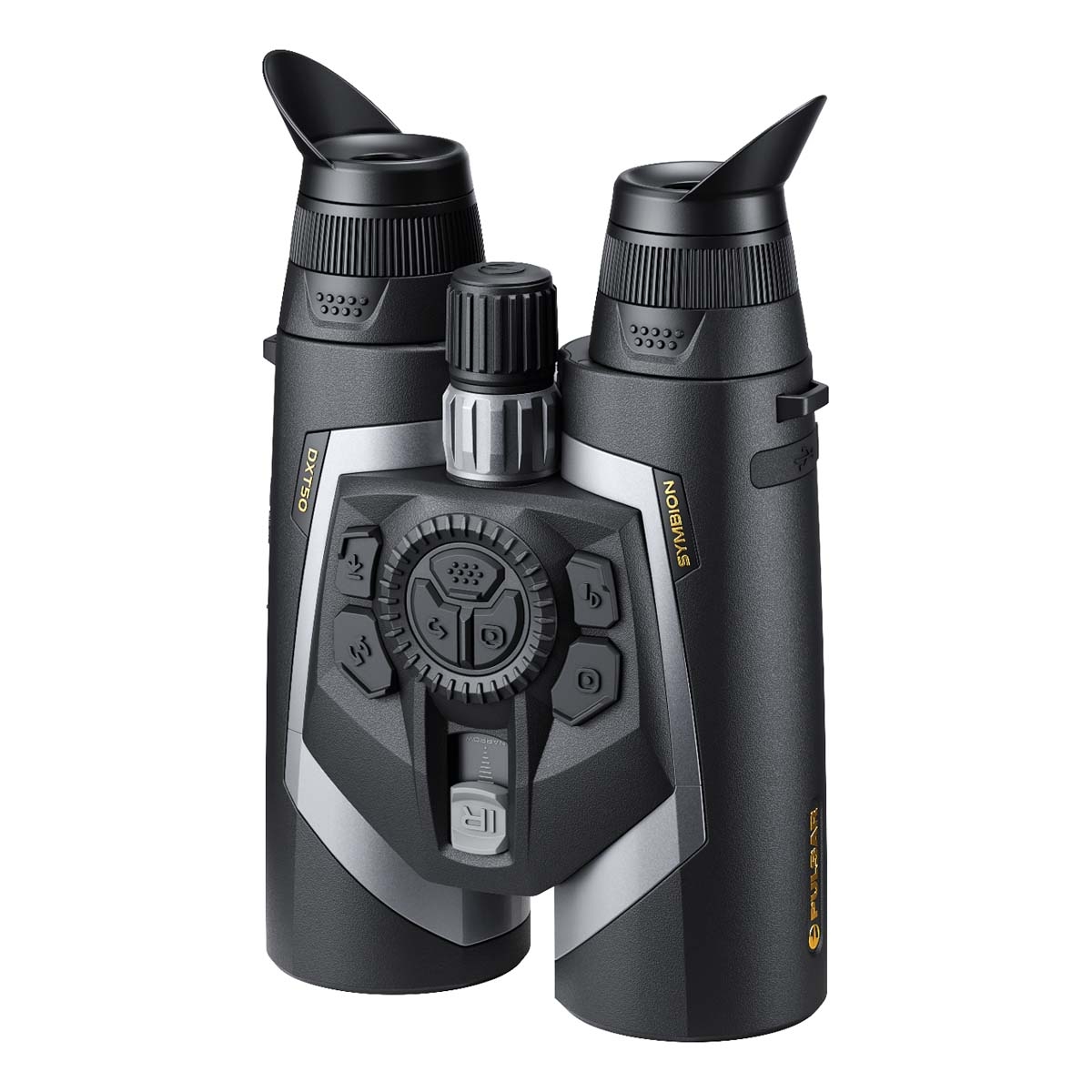
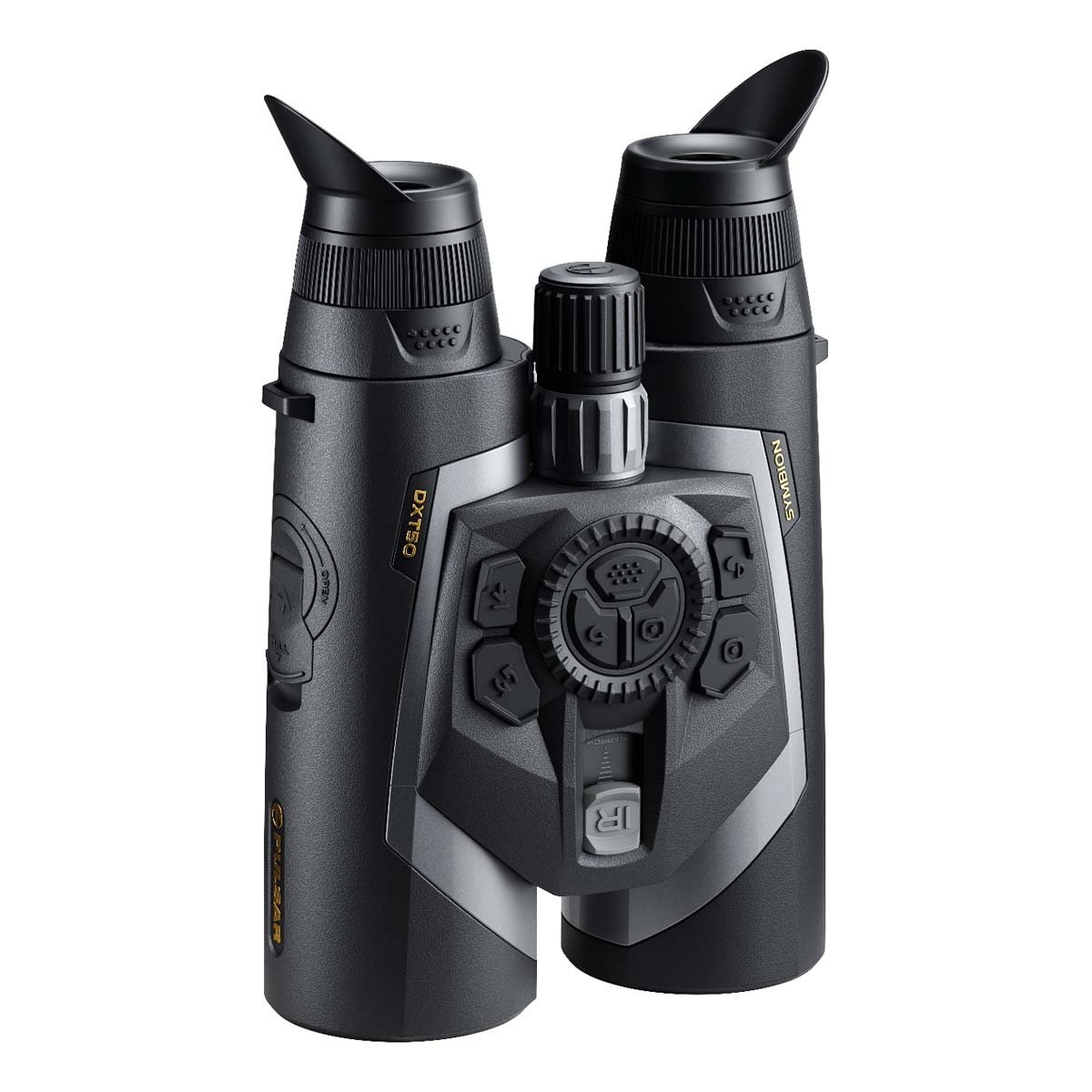
Brightness, contrast and smoothing controls provide further adjustment. The control ring handles menu navigation and zoom, with separate focusing rings for the thermal and digital channels. A selectable left-handed control layout and vibration feedback offer additional operating preferences.
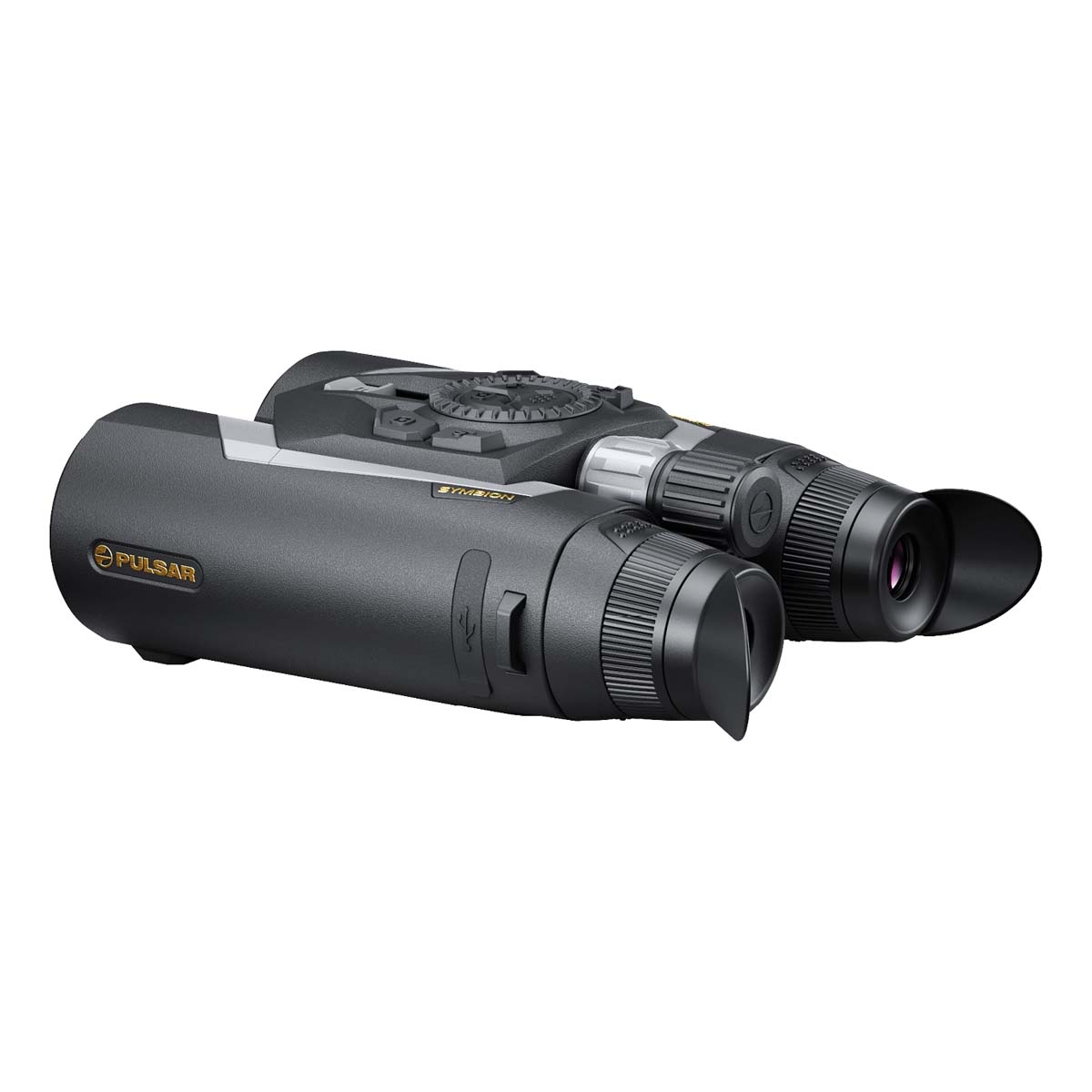
Adjustable eyepiece spacing and individual dioptre correction help you set up the binoculars for your eyes.
Measure distance with the integrated laser rangefinder
The built-in laser rangefinder measures distances up to 1,500m with a stated accuracy of ±1m. Target Position Angle and True Horizontal Distance functions provide additional information when observing subjects above or below your position.
Maximum ranging distance depends on the object and environmental conditions. Bluetooth connectivity supports Stream Vision Ballistics for working with ballistic profiles and range measurements.
Recording and Stream Vision 2 connectivity
Record video with sound or capture still photographs directly to the 64GB internal memory. Recording settings include adjustable video compression and the option to remove auxiliary on-screen information from saved images and footage.
Stream Vision 2 connects a compatible Android or iOS smartphone or tablet over Wi-Fi. Use the app for live viewing, remote control, downloading recordings and firmware updates. Both 2.4GHz and 5GHz Wi-Fi bands are supported.
Field construction and rechargeable power
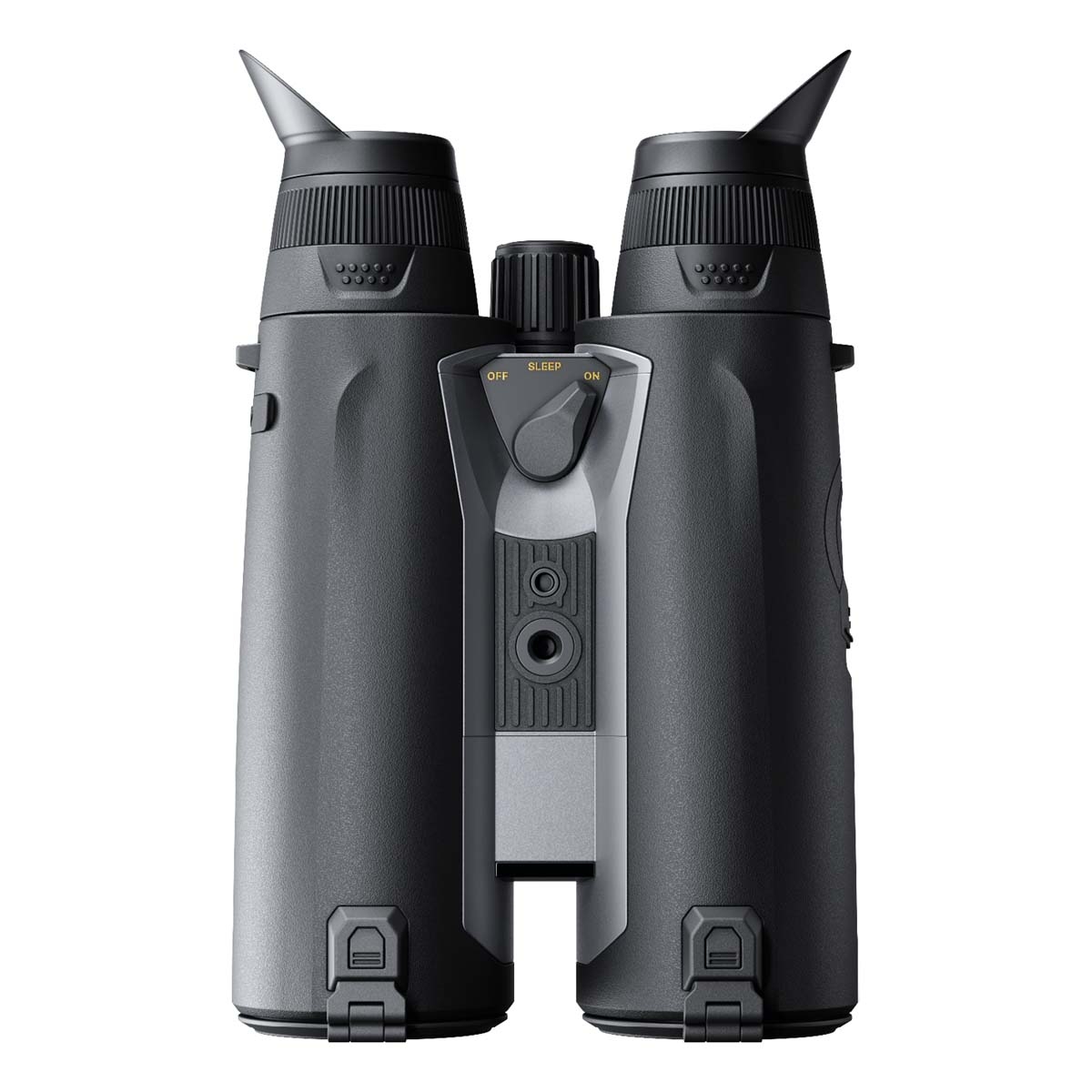
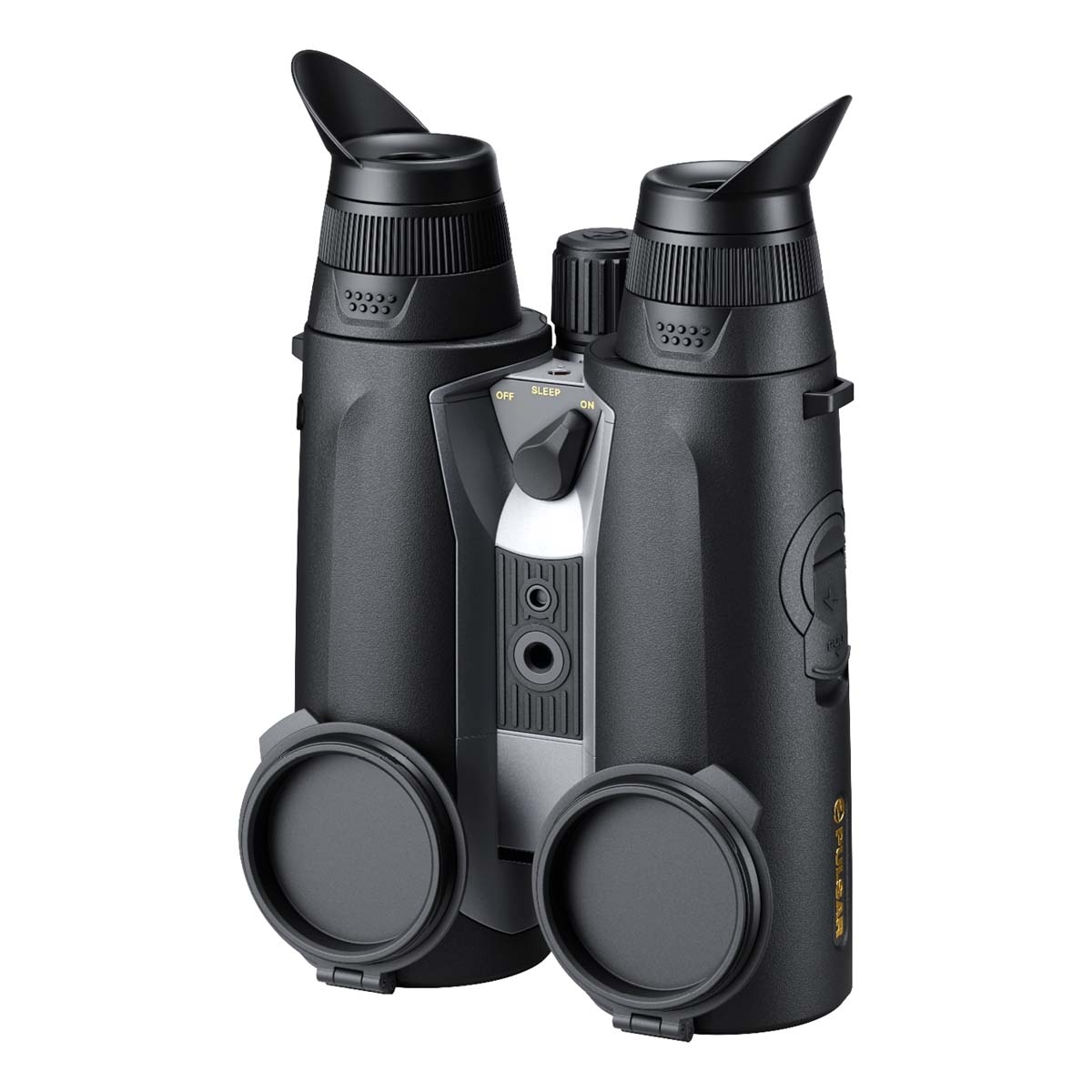
The magnesium alloy housing has an IP67 protection rating against dust and water ingress. Rubber eyecup covers protect the eyepieces when the binoculars are not in use, and the supplied tripod adaptor provides an option for stationary observation and recording.
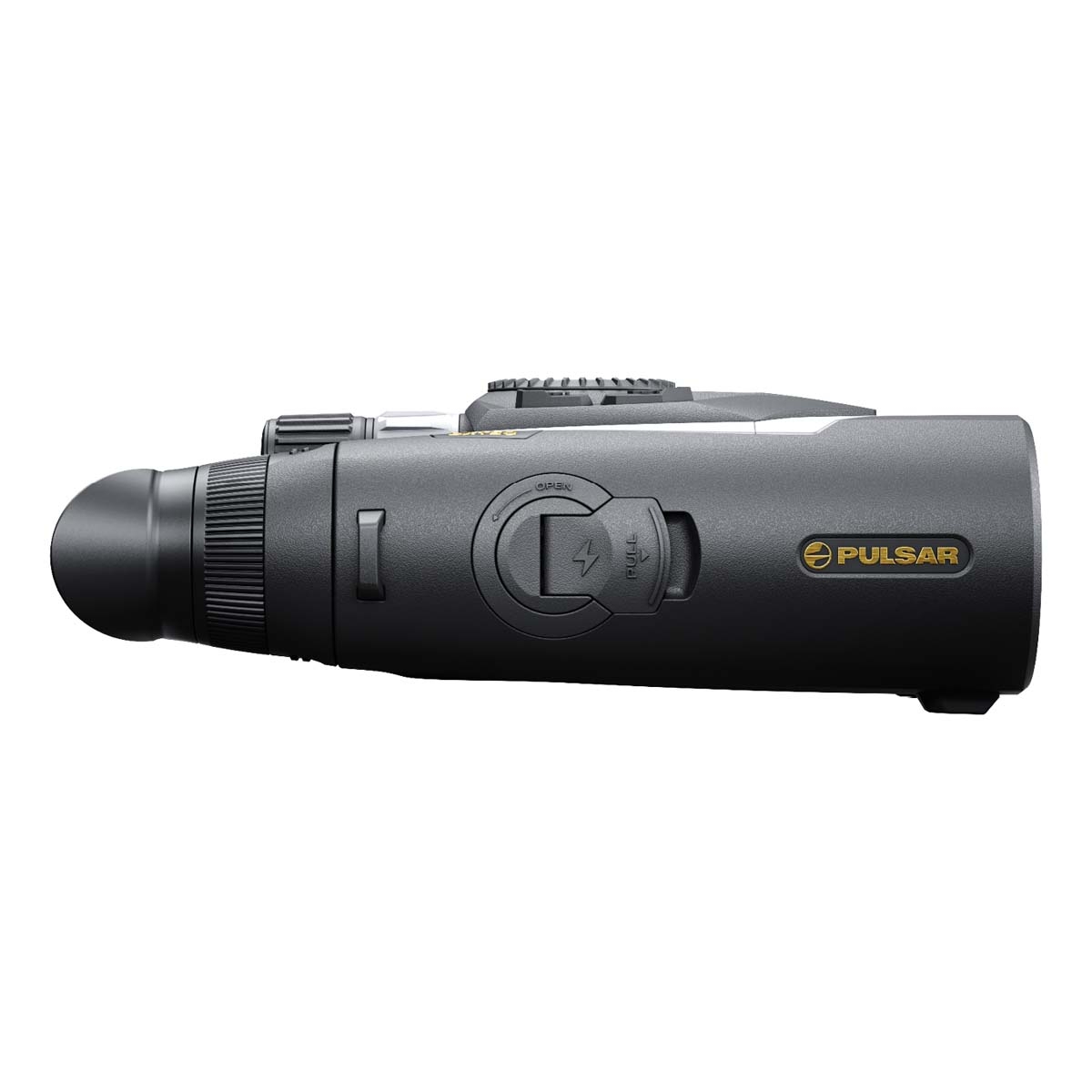
Two removable APS5 rechargeable batteries are supplied. Quoted operating time is up to eight hours in total from two batteries at 22°C. Actual runtime varies with temperature and use of infrared illumination, wireless connections, recording, the rangefinder and other functions.
USB-C Power Delivery supports external power. A proximity sensor can switch off the displays when the binoculars are moved away from your eyes, with sleep and automatic shutdown functions providing further power management.
Compare with similar Pulsar binoculars
Symbion DXT50 or Symbion DXR50?
The DXT50 prioritises a broad thermal view: its 1280 × 1024 sensor, 2x starting magnification and 17.5° field of view suit scanning woodland and mixed terrain. The Pulsar Symbion LRF DXR50 uses a 640 × 480 thermal sensor, starts at 4x and has a narrower 8.8° thermal field of view, making it useful when you want a more magnified initial view across open ground.
Both include a 4K digital channel and have a quoted thermal detection range of 2,300m. Battery endurance also differs: the DXT50 is rated for up to eight hours from two APS5 batteries, compared with up to ten hours for the DXR50 under the stated test conditions.
Symbion DXT50 or Merger XT50?
The Pulsar Merger LRF XT50 is a thermal-only alternative with the same quoted thermal sensor resolution, 2x starting magnification and 17.5° field of view. It also includes image stabilisation and a laser rangefinder. Choose the Symbion DXT50 when you also want a separate digital channel for colour daytime viewing, infrared-assisted night vision and combined thermal/digital observation.
Specifications
Thermal imaging channel
- Sensor type: uncooled microbolometer.
- Sensor resolution: 1280 × 1024 pixels.
- Pixel pitch: 12µm.
- System NETD: <20mK.
- Objective lens: 50mm f/1.0.
- Starting magnification: 2x, with digital zoom.
- Horizontal field of view: 17.5°, equivalent to 30.7m at 100m.
- Quoted detection range: up to 2,300m for a deer-sized object.
- Frame rate: 50Hz.
- Sensitivity enhancement settings: Normal, High and Ultra.
- Thermal palettes: White Hot, Black Hot, Red Hot, Rainbow, Ultramarine, Sepia, Red Monochrome, Violet and Green.
- Calibration modes: automatic, semi-automatic and manual.
- Image adjustment: brightness, contrast and smoothing.
Digital channel and viewing system
- Digital sensor: 4K CMOS, 3840 × 2160 pixels.
- Digital-channel focal length: 50mm.
- Digital-channel magnification: 6.5–26x.
- Digital-channel horizontal field of view: 5.8°, equivalent to 10.2m at 100m.
- Infrared illuminator: built-in focusable 850nm LED.
- IR power settings: Low, Medium and High.
- Display: AMOLED, 1920 × 1080 pixels.
- Minimum focusing distance: 3m.
- Eye relief: 13mm.
- Exit pupil diameter: 5mm.
- Dioptre adjustment: −5 to +5.
- Interpupillary adjustment: 62.5–74mm.
- Viewing functions: electronic image stabilisation, Picture-in-Picture and Duo multispectral mode.
Laser rangefinder
- Maximum measuring distance: 1,500m, subject to object characteristics and conditions.
- Stated measuring accuracy: ±1m.
- Laser wavelength: 905nm.
- Laser safety class: Class 1 to IEC 60825-1:2014.
- Additional functions: Target Position Angle and True Horizontal Distance.
Recording and connectivity
- Recording: still photographs and video with audio.
- Photo and video resolution: 1440 × 1080 pixels.
- Internal storage: 64GB.
- File formats: JPG photographs and MP4 video.
- Wi-Fi: 2.4GHz and 5GHz; IEEE 802.11 b/g/n/ac.
- Bluetooth: BLE 4.2.
- Connection: USB Type-C.
- Supported apps: Stream Vision 2 and Stream Vision Ballistics.
Power, construction and dimensions
- Battery type: removable APS5 rechargeable lithium-ion.
- Battery capacity: 4,900mAh; nominal supply voltage 3.7V.
- Batteries supplied: two APS5 batteries.
- Quoted operating time: up to eight hours from two APS5 batteries at 22°C, depending on functions used.
- External power: 5V or 9V through USB-C Power Delivery.
- Power management: proximity-sensor display switching, sleep mode and automatic shutdown.
- Housing: magnesium alloy.
- Protection rating: IP67.
- Tripod mounting: 1/4-inch connection; adaptor supplied.
- Dimensions: 207 × 132 × 72.5mm.
- Weight: 1kg with battery.
Included in the box
- Pulsar Symbion LRF DXT50 multispectral binoculars.
- Two APS5 rechargeable batteries and two battery caps.
- APS5 battery charger and power adaptor.
- USB Type-C cable with Type-A adaptor.
- Carrying case, binocular harness and neck strap.
- Tripod adaptor.
- Optics cleaning cloth.
- Quick start guide and warranty card.
Product Reviews
There are no reviews of this product yet. Do you own this product? Why not write your own review.
Add product reviews is disabled. To enable reviews, please allow functional cookies.
