Fish Finders
What Are Fish Finders and How Do They Work?
Fish finders are electronic sonar devices designed to help anglers locate fish, understand underwater structure, and interpret what’s happening beneath the surface in real time. Whether you’re fishing from the bank, a kayak, or a fully equipped boat, a quality fish finder can dramatically improve your efficiency and success by removing guesswork from your sessions.
At their core, fish finders work by sending sound waves from a transducer into the water. These waves bounce back after hitting objects such as fish, weed beds, rocks, or the lakebed itself. The unit then converts this information into a visual display, showing depth, structure, bottom composition, and fish activity. Modern fish finders may use traditional 2D sonar, high-frequency CHIRP sonar, or advanced scanning technologies that provide near-photographic detail of underwater environments.
For beginners, fish finders offer reassurance and clarity, confirming depth changes and fish presence. For experienced anglers, they become precision tools for patterning fish behaviour, mapping new waters, and refining tactics across seasons and conditions.
How to Choose the Right Fish Finder for Your Needs
Choosing the right fish finder depends on how and where you fish, as well as the level of detail you want from your electronics. While entry-level units provide essential depth and fish location data, higher-end models deliver detailed imaging, GPS mapping, and network integration.
Sonar type is one of the first considerations. Traditional sonar is reliable and simple, while CHIRP sonar offers clearer target separation and better depth performance. Anglers fishing complex venues often benefit from advanced scanning sonar that reveals structure, drop-offs, and fish positioning with impressive clarity.
Screen size and resolution play a major role in usability. Larger, higher-resolution displays make it easier to interpret sonar returns, particularly when split-screen views are used. Compact screens suit kayaks and portable setups, while boats benefit from larger displays.
Power output and depth capability affect how well a fish finder performs in deeper or murkier water. Higher wattage generally means stronger signal penetration and clearer returns at depth, which is particularly important for sea anglers or those fishing large reservoirs.
Durability and waterproofing should not be overlooked. Fish finders are exposed to spray, rain, and constant vibration. Robust housings and reliable mounting systems ensure longevity, whether you’re fishing inland or offshore.
Many anglers also consider GPS mapping, waypoint marking, and compatibility with accessories. These features transform a fish finder into a powerful navigation and fish-tracking tool.
|
Feature |
Best For |
Why It Matters |
| Traditional / CHIRP Sonar |
General coarse and sea fishing |
Clear fish arches and depth accuracy |
| Scanning Sonar |
Predator and structure fishing |
Detailed views of underwater terrain |
| GPS Mapping |
Large waters and repeat sessions |
Marks productive spots and routes |
Top Fish Finder Brands and Models at Uttings
Uttings stocks a carefully selected range of fish finders from leading manufacturers known for reliability, innovation, and ease of use. These brands cater to everyone from occasional anglers to dedicated professionals who demand accurate, real-time information on the water.
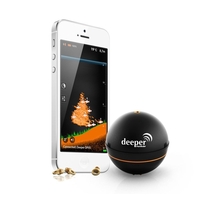
Compact portable fish finders are ideal for bank anglers and kayakers, pairing well with lightweight setups and versatile rods. Mid-range units suit most freshwater and inshore fishing styles, while advanced systems integrate seamlessly with powerful reels and boat electronics for serious offshore or predator anglers.
For those wanting visual confirmation alongside sonar data, fish finders work exceptionally well when combined with underwater cameras, offering a complete picture of fish behaviour and habitat.
Fish Finder Tips and Expert Advice
Getting the most from a fish finder takes practice and understanding. Start by learning how different bottom types appear on your display and how fish arches vary with speed and depth. Adjust sensitivity settings gradually rather than relying solely on factory presets.
When fishing new venues, use your fish finder to build a mental map of the water. Identify drop-offs, plateaus, and channels before even making a cast. Professionals often use fish finders not just to locate fish, but to rule out unproductive areas quickly, maximising time spent in high-potential zones.
Beginners benefit from keeping displays simple, focusing on depth and basic sonar views. As confidence grows, advanced features such as split screens and mapping become invaluable tools rather than distractions.
Why Buy Fish Finders at Uttings
Uttings is a family-run business based in Norwich, established in 1976, with decades of experience in outdoor and field sports retail. Known for stocking premium products from the world’s leading brands, Uttings combines technical expertise with genuine passion for fishing and the outdoors.
With over 45,000 five-star Trustpilot reviews, customers trust Uttings for expert advice, fast delivery, and dependable after-sales support. Whether you’re upgrading your electronics or buying your first fish finder, Uttings provides confidence at every stage of your purchase.
Fish Finders FAQs
What is a fish finder used for?
A fish finder helps anglers locate fish, measure depth, and identify underwater features such as weed beds and drop-offs.
Do fish finders really show fish?
Fish finders display sonar returns that represent fish, structure, and debris, allowing you to interpret fish presence accurately.
What sonar type is best for beginners?
Traditional or CHIRP sonar is ideal for beginners due to its clear displays and straightforward interpretation.
How important is screen size on a fish finder?
Larger screens make sonar data easier to read, especially when using split-screen views or detailed mapping.
Can fish finders be used from the bank?
Yes, portable and castable fish finders are designed specifically for bank and kayak anglers.
What does CHIRP sonar mean?
CHIRP sonar uses a range of frequencies to provide clearer target separation and improved depth performance.
Are fish finders waterproof?
Most fish finders are water-resistant or waterproof, but checking the IP rating ensures suitability for your fishing conditions.
Is GPS useful on a fish finder?
GPS allows you to mark productive spots and navigate confidently on large or unfamiliar waters.
How accurate are depth readings?
Depth readings are highly accurate when the transducer is correctly installed and settings are properly adjusted.
Do I need a powerful transducer?
Higher-powered transducers perform better in deeper water and provide clearer returns in challenging conditions.
Can fish finders be upgraded later?
Many modern fish finders support software updates and accessory integration, extending their lifespan and capability.
Back to top of page.